Pilgrimage To Jackson, MS
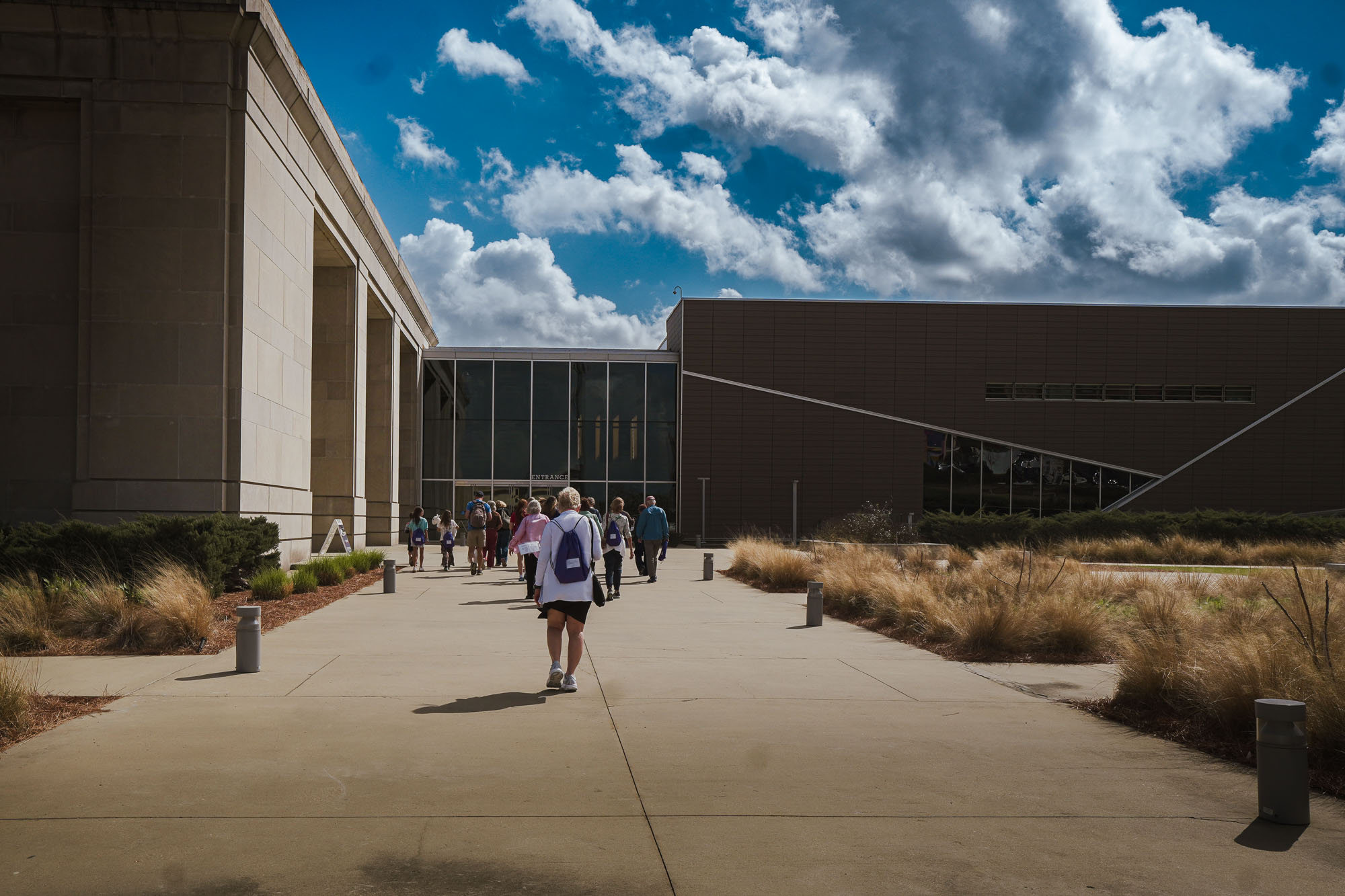
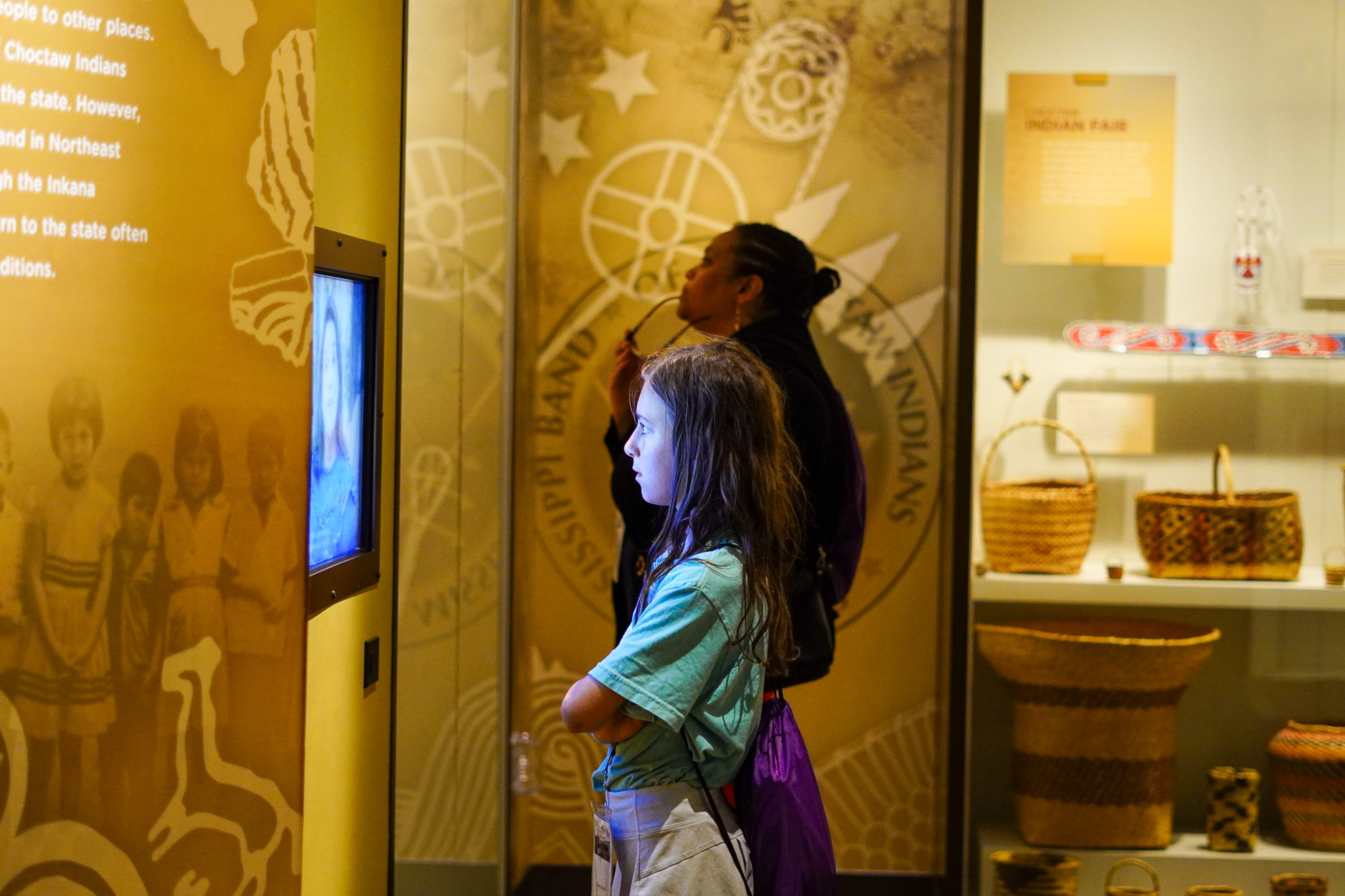
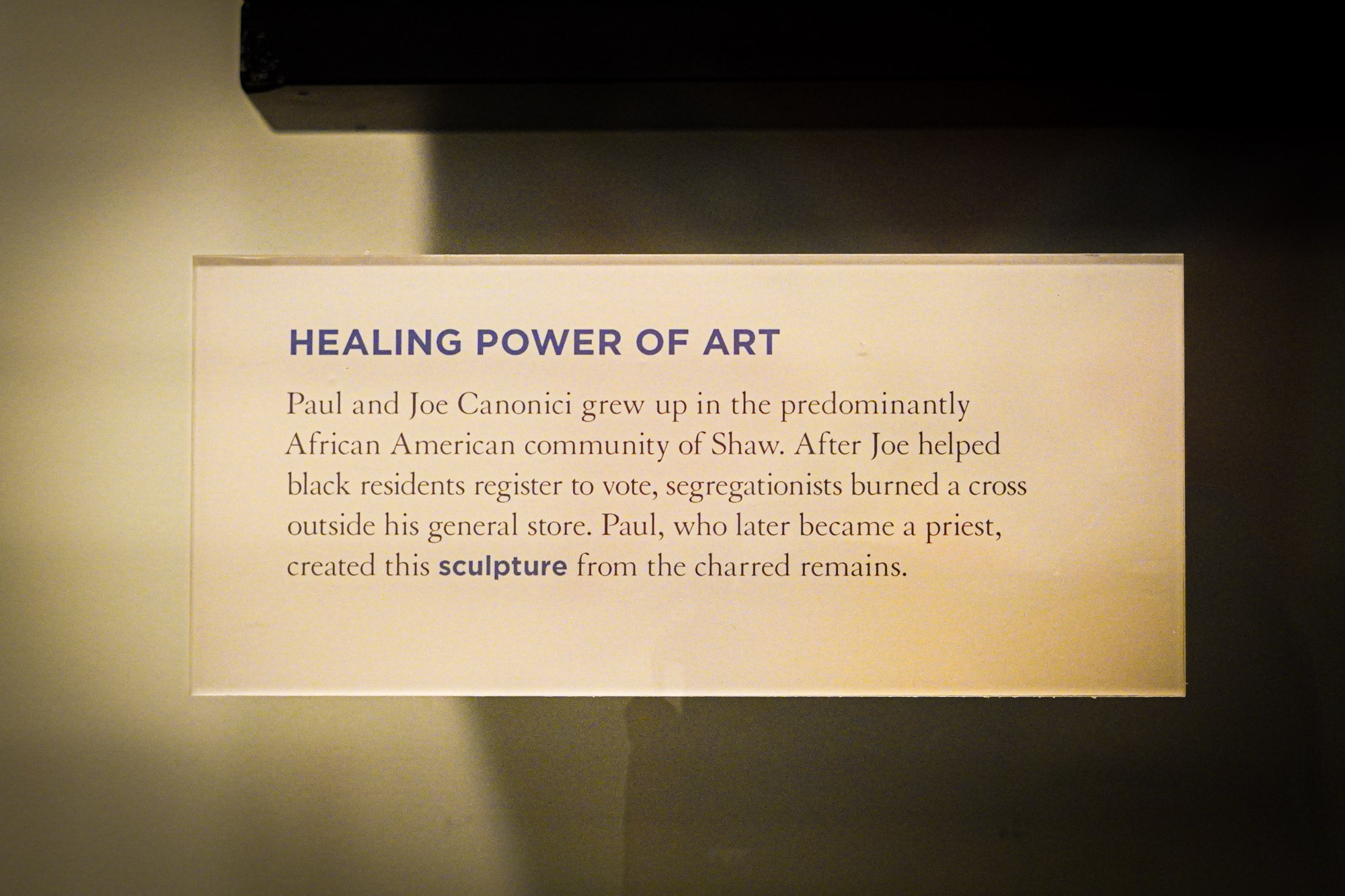
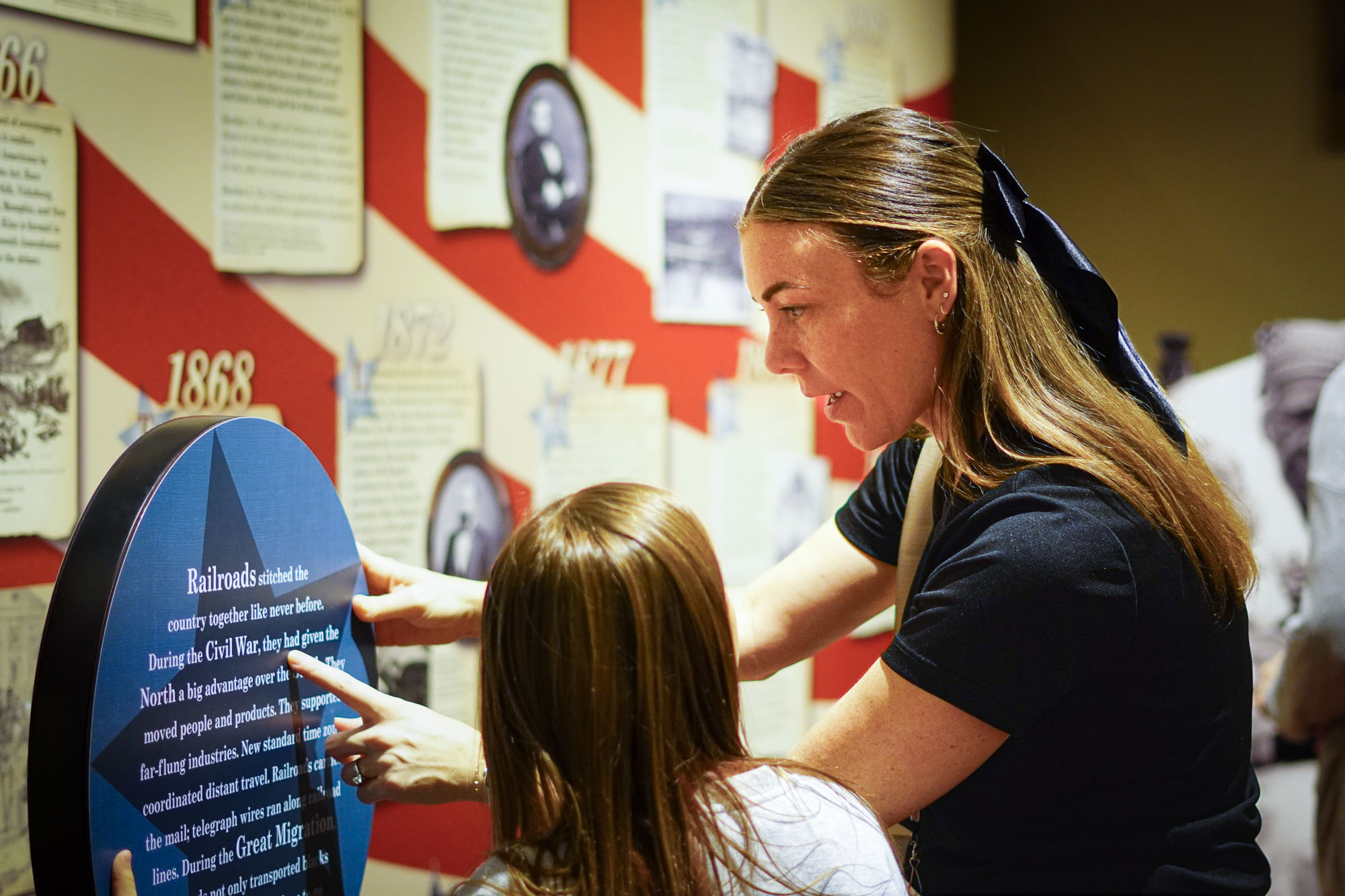
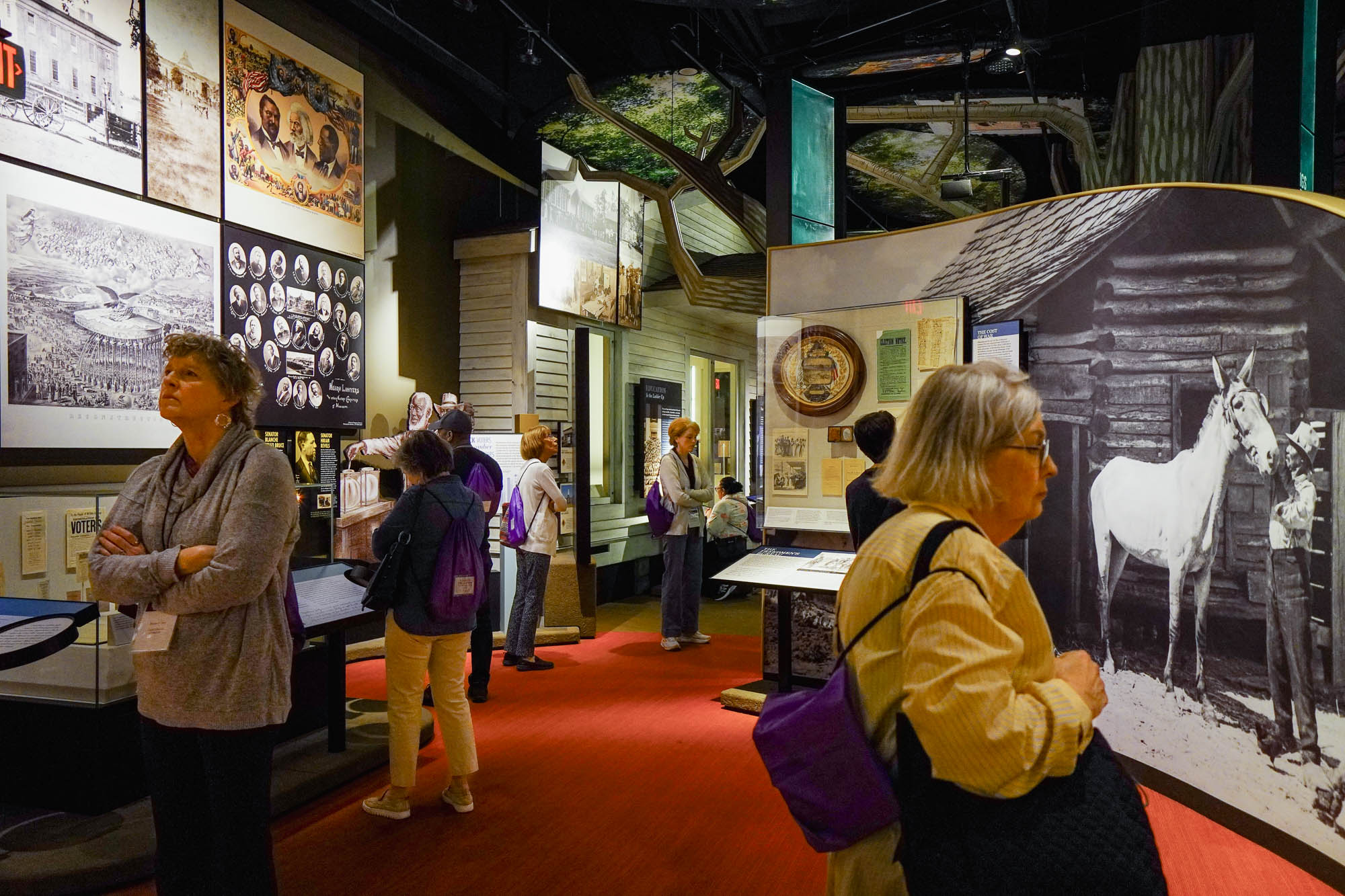
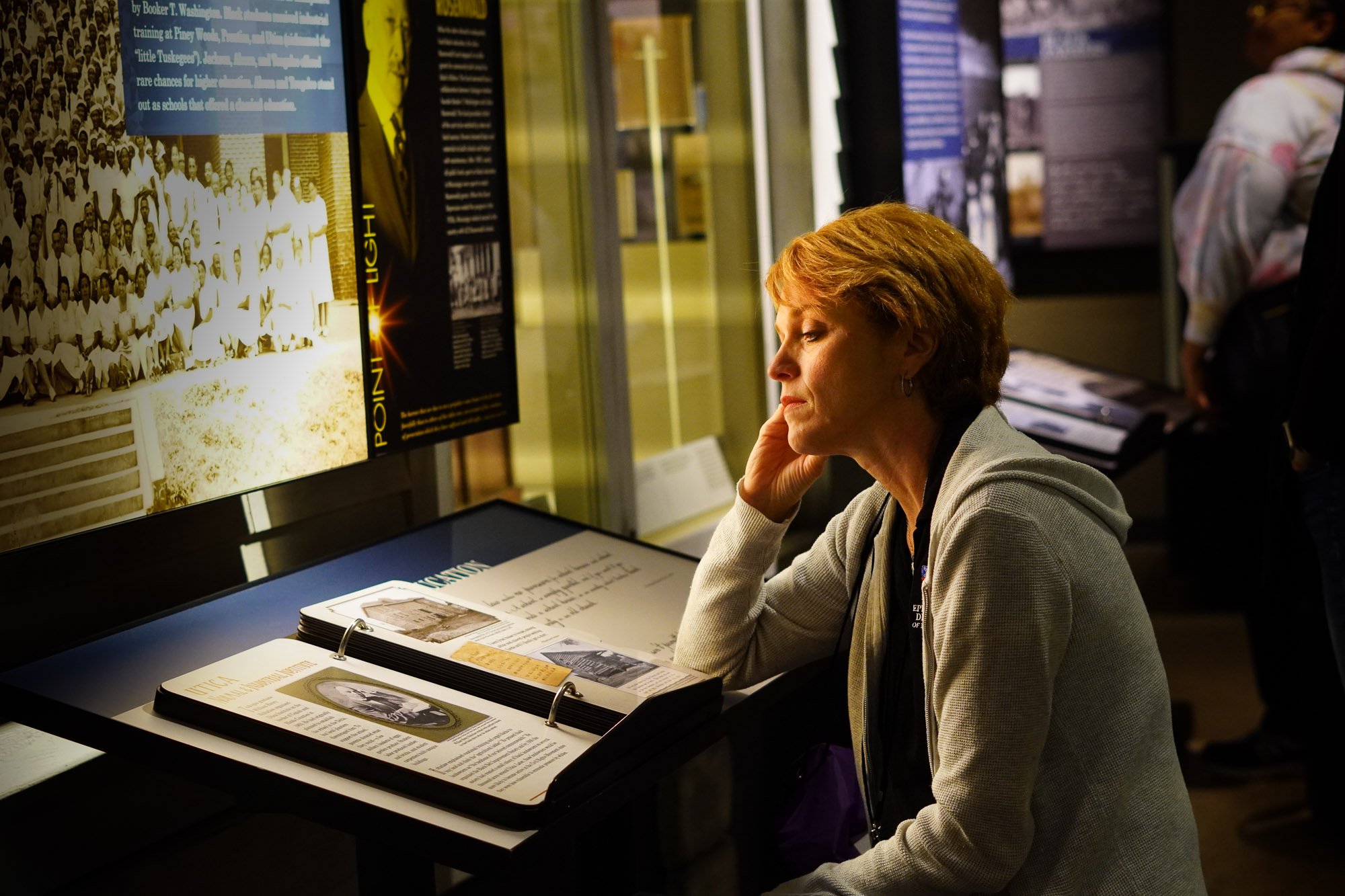
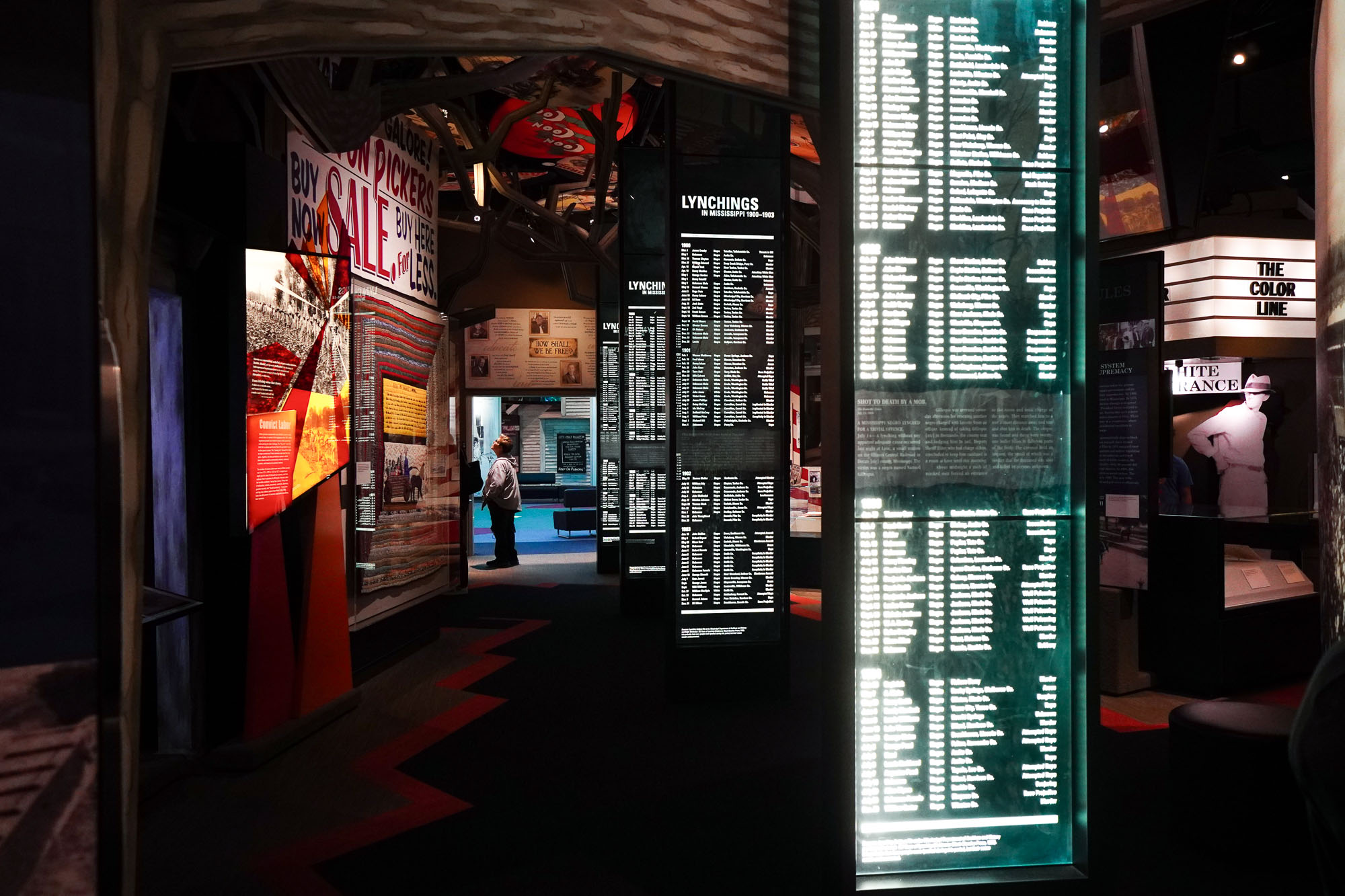
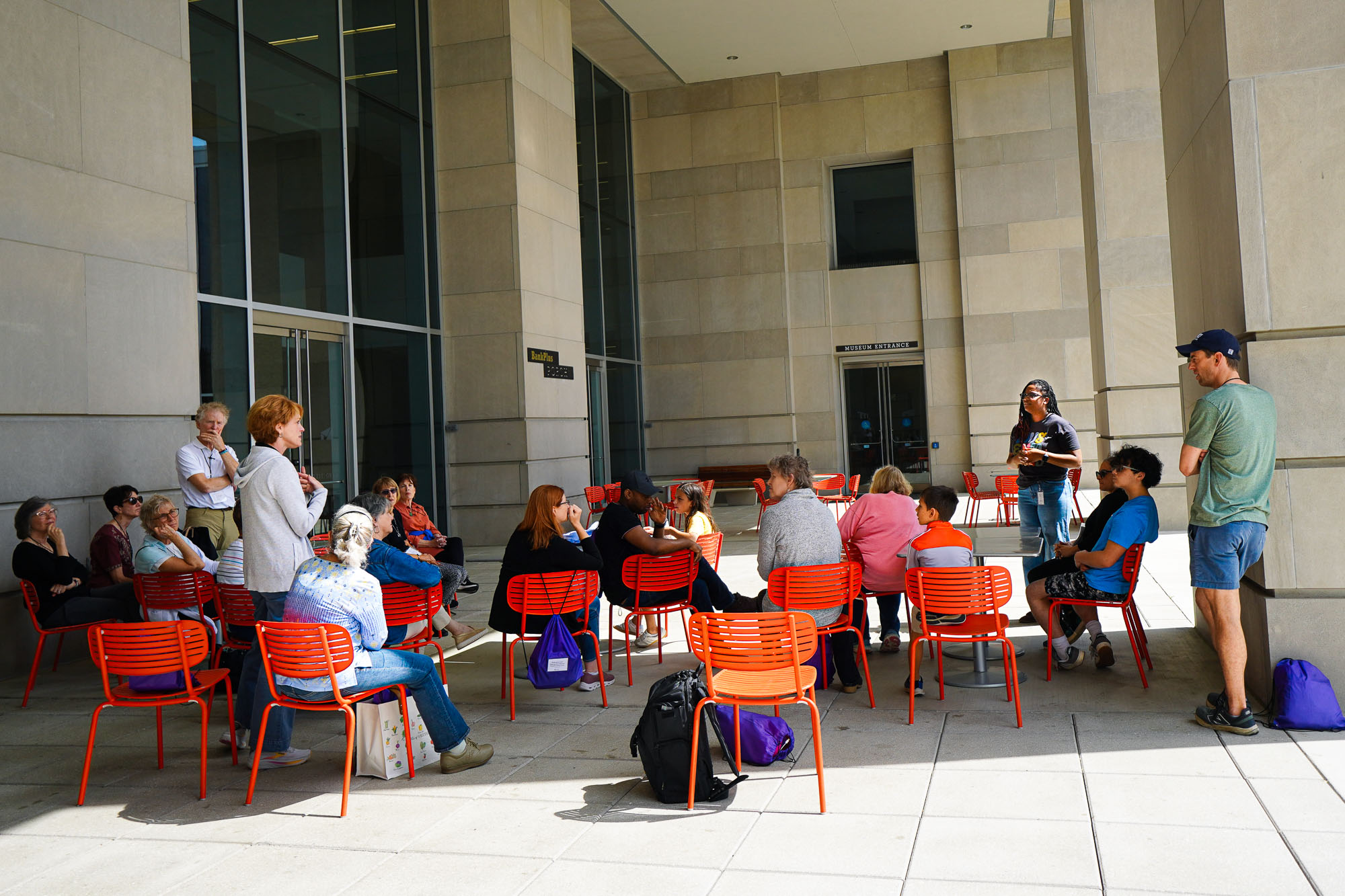
We began at the Museum of Mississippi History, which grounded us in the layered story of this land and its people: the rich culture of Native peoples and their forced removal, the rise of white supremacy, the growth of European communities built on industry and enslavement, and the art and culture that emerged, not only from that history, but in defiance of it.
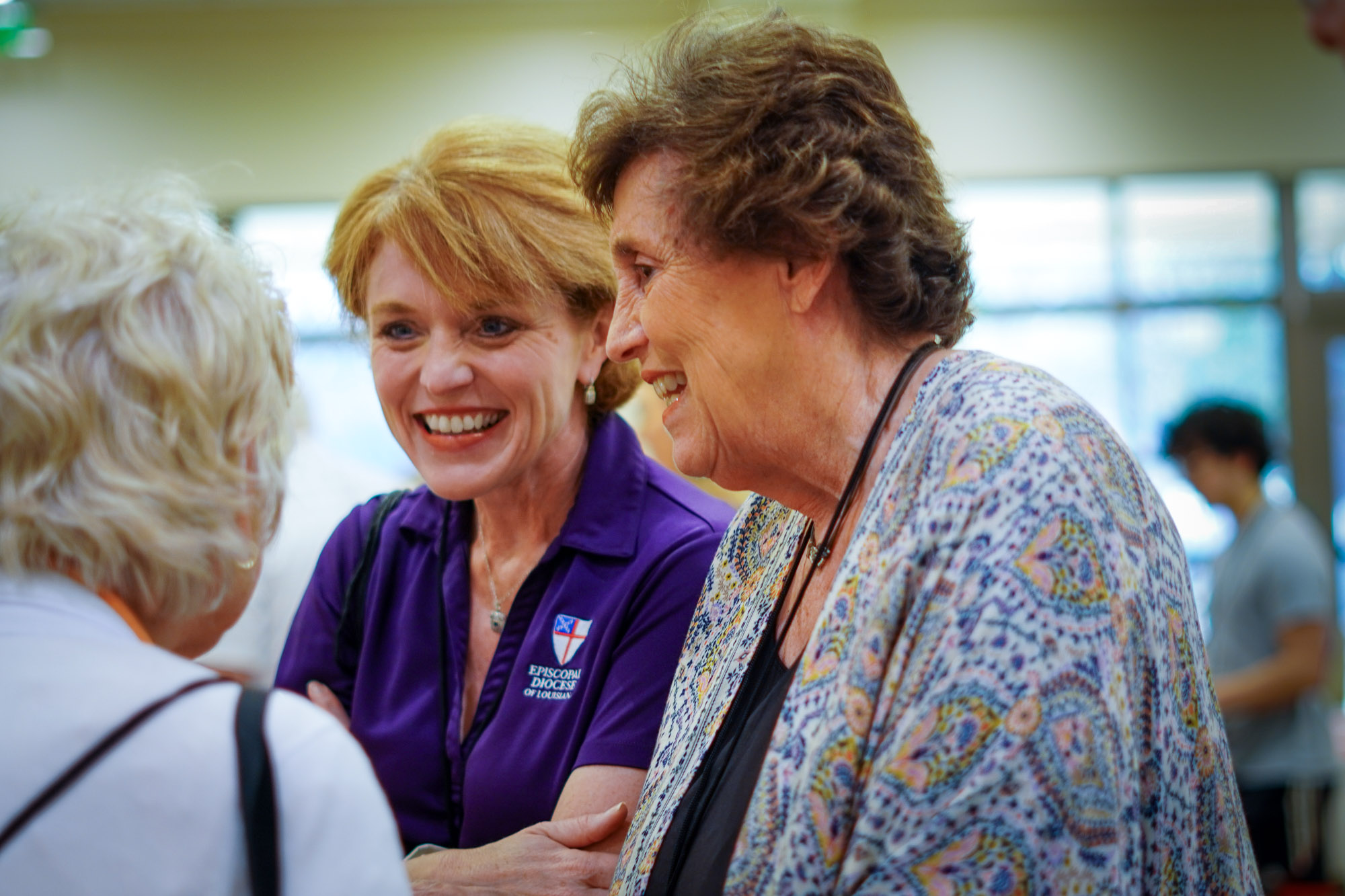
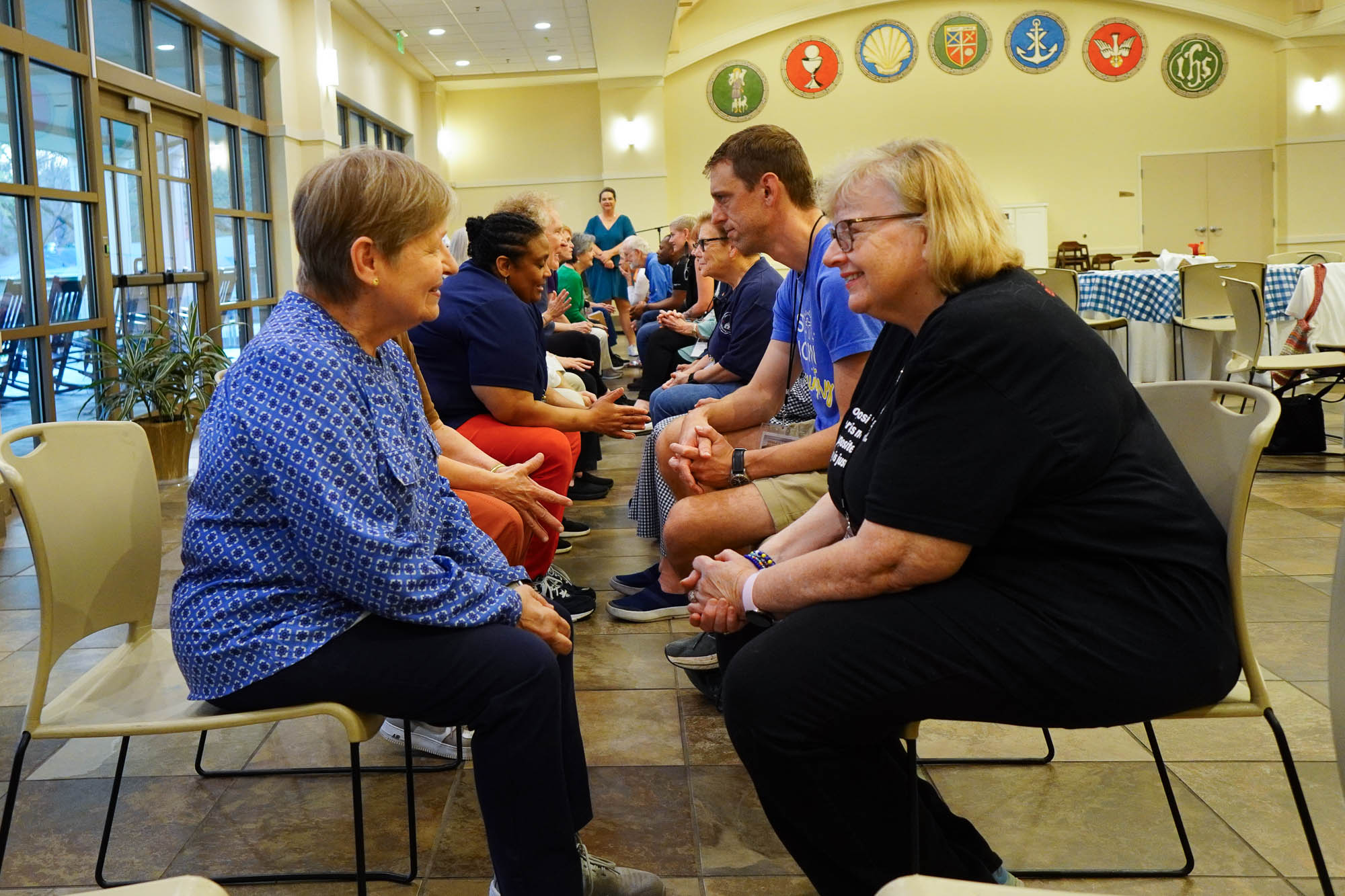
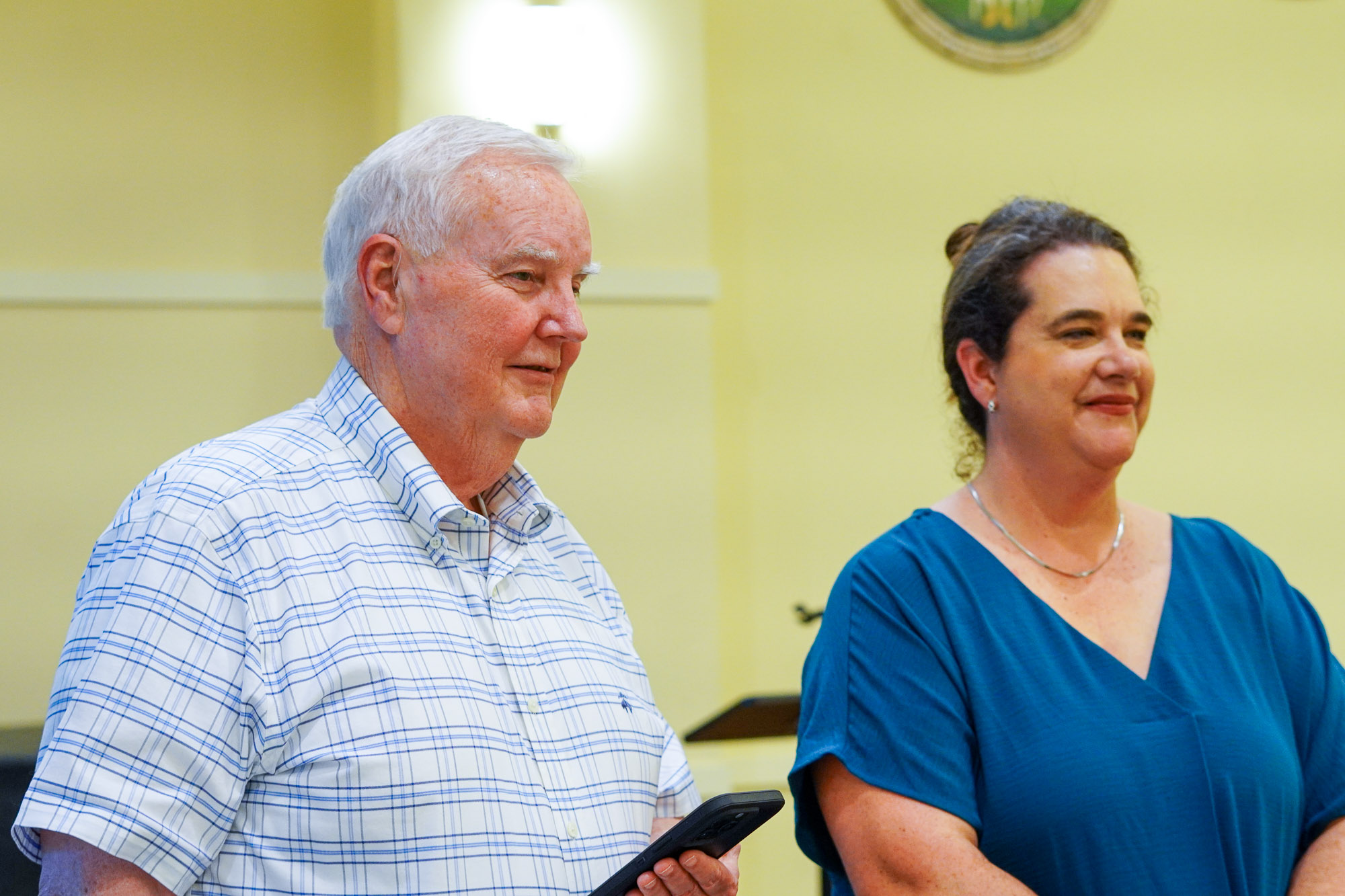
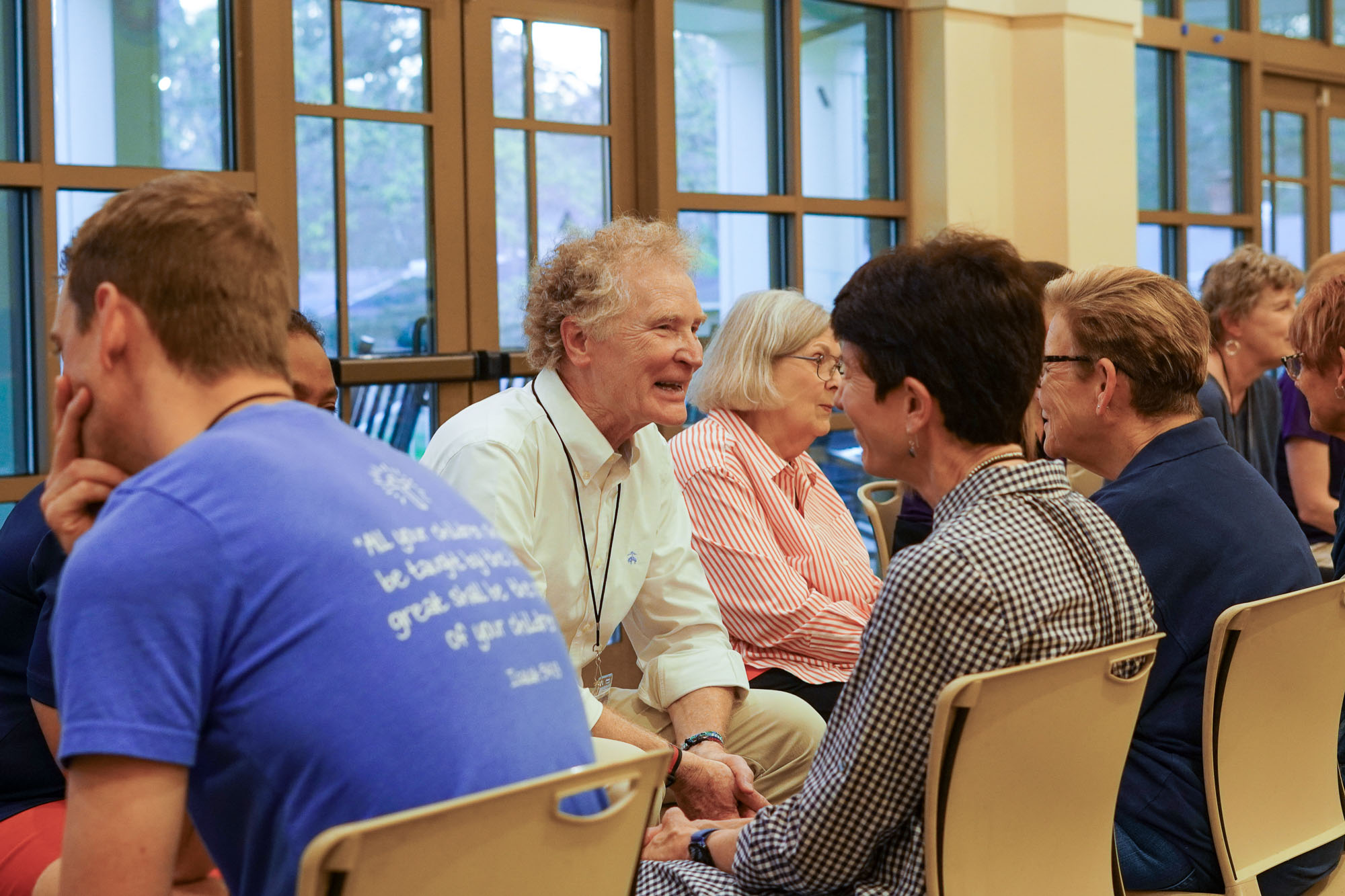
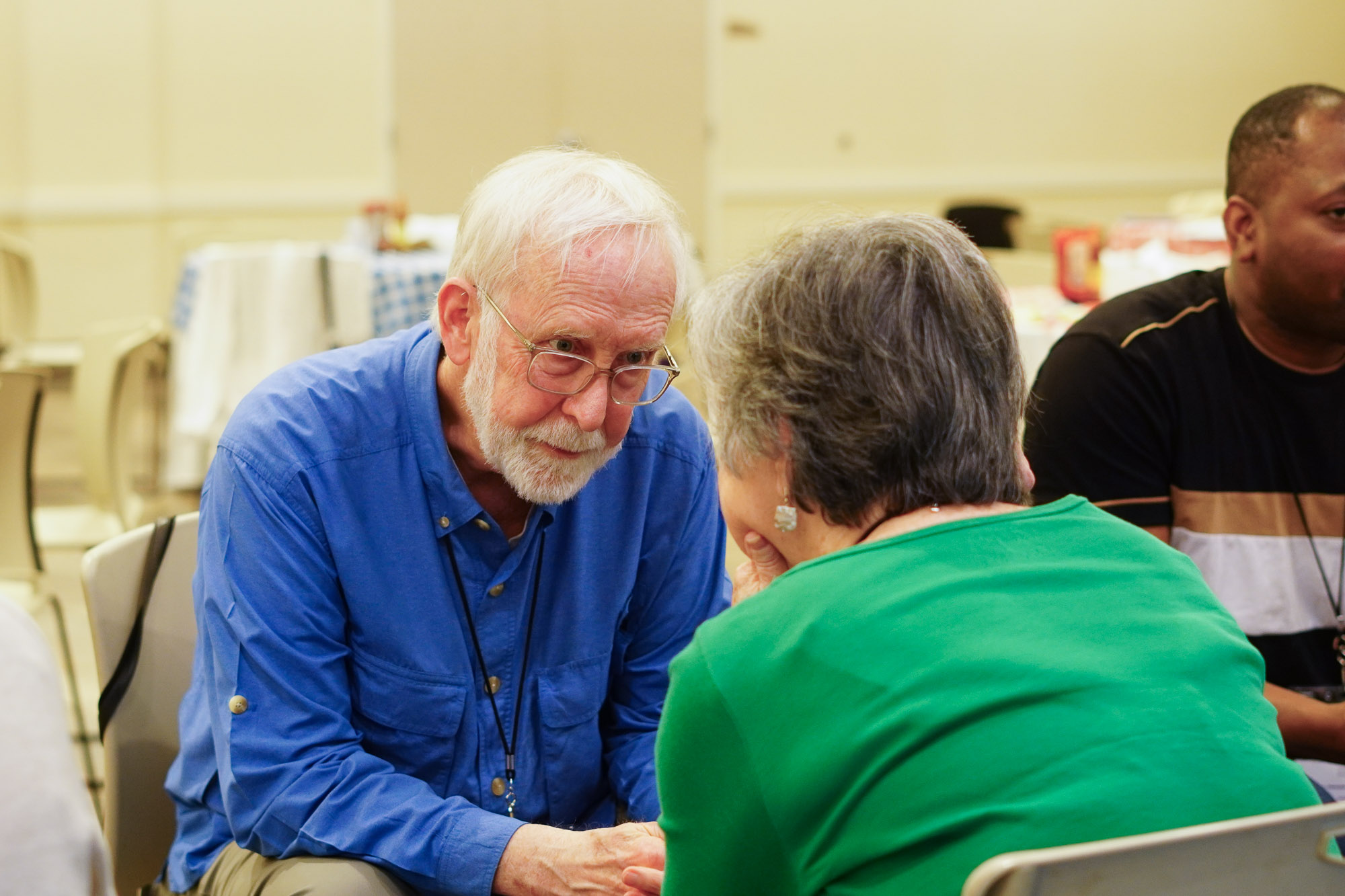
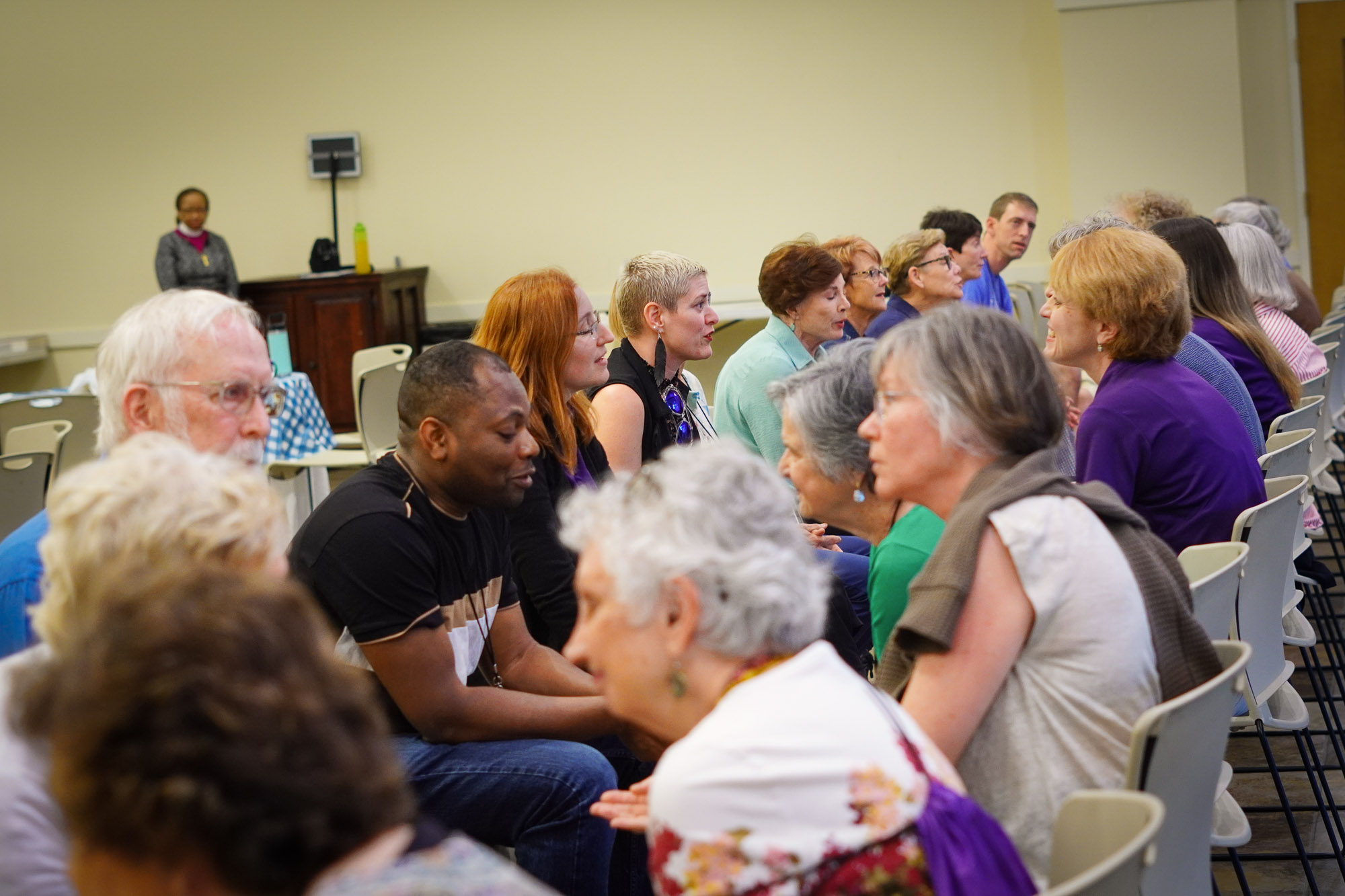
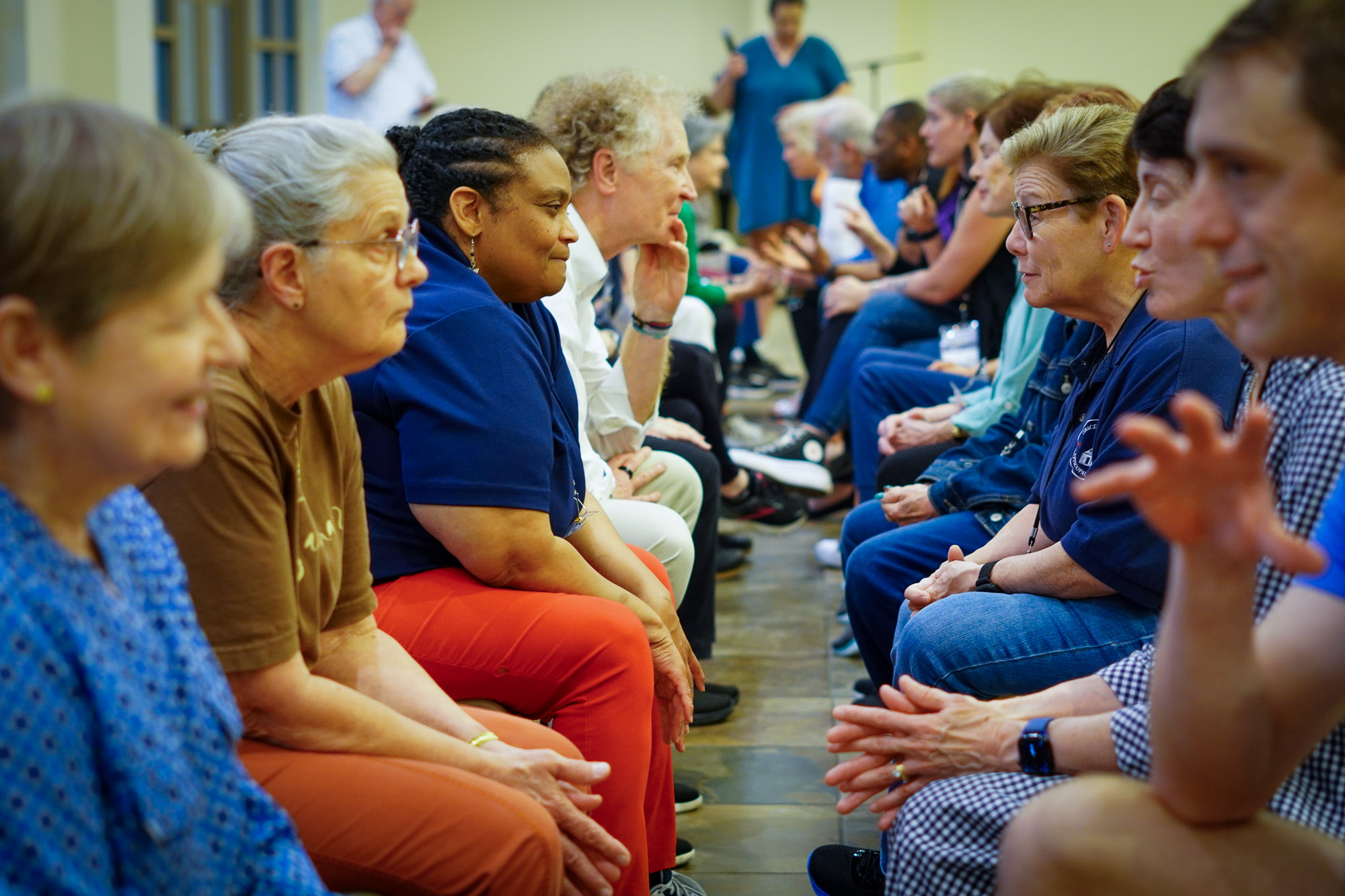
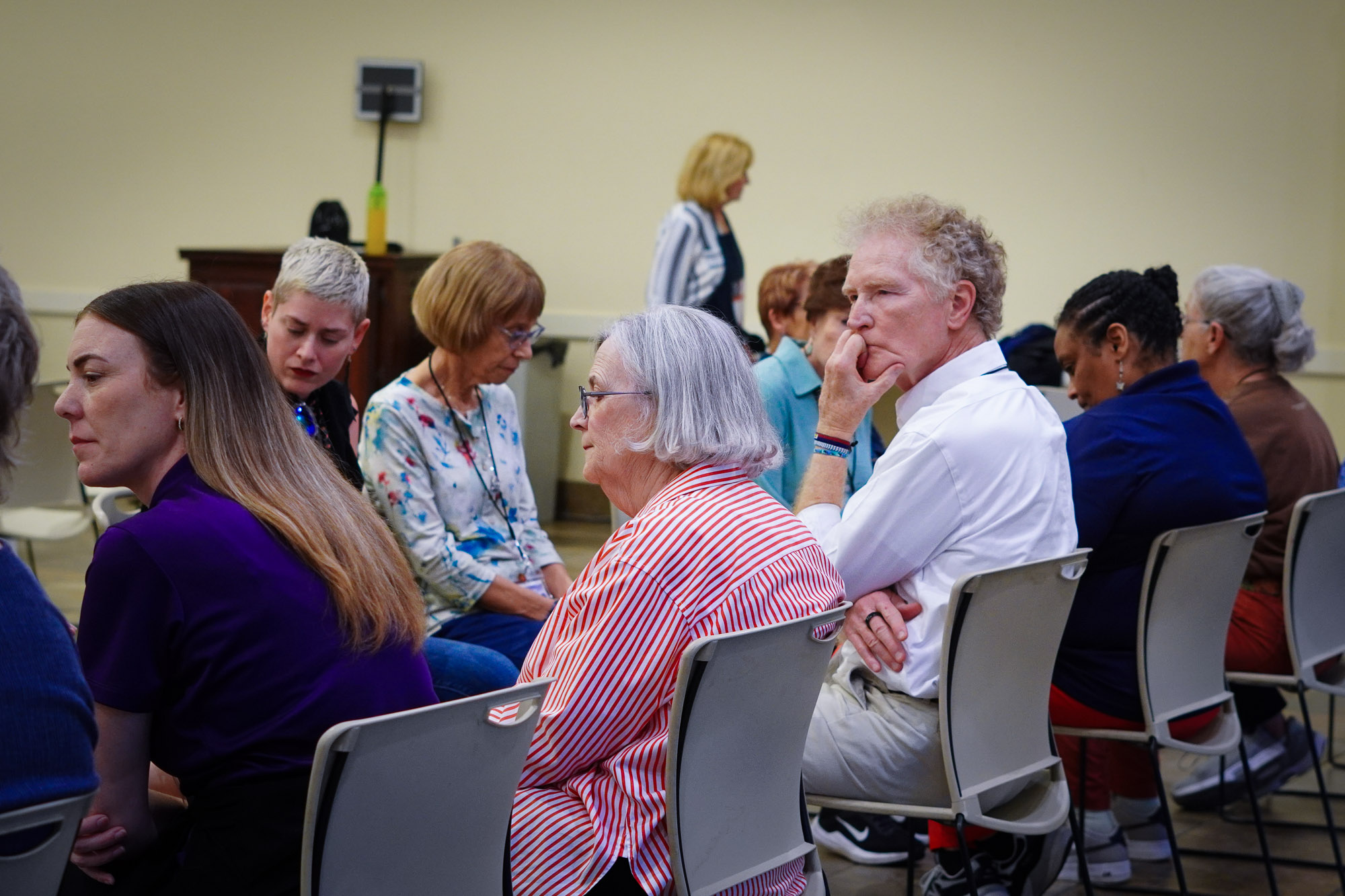
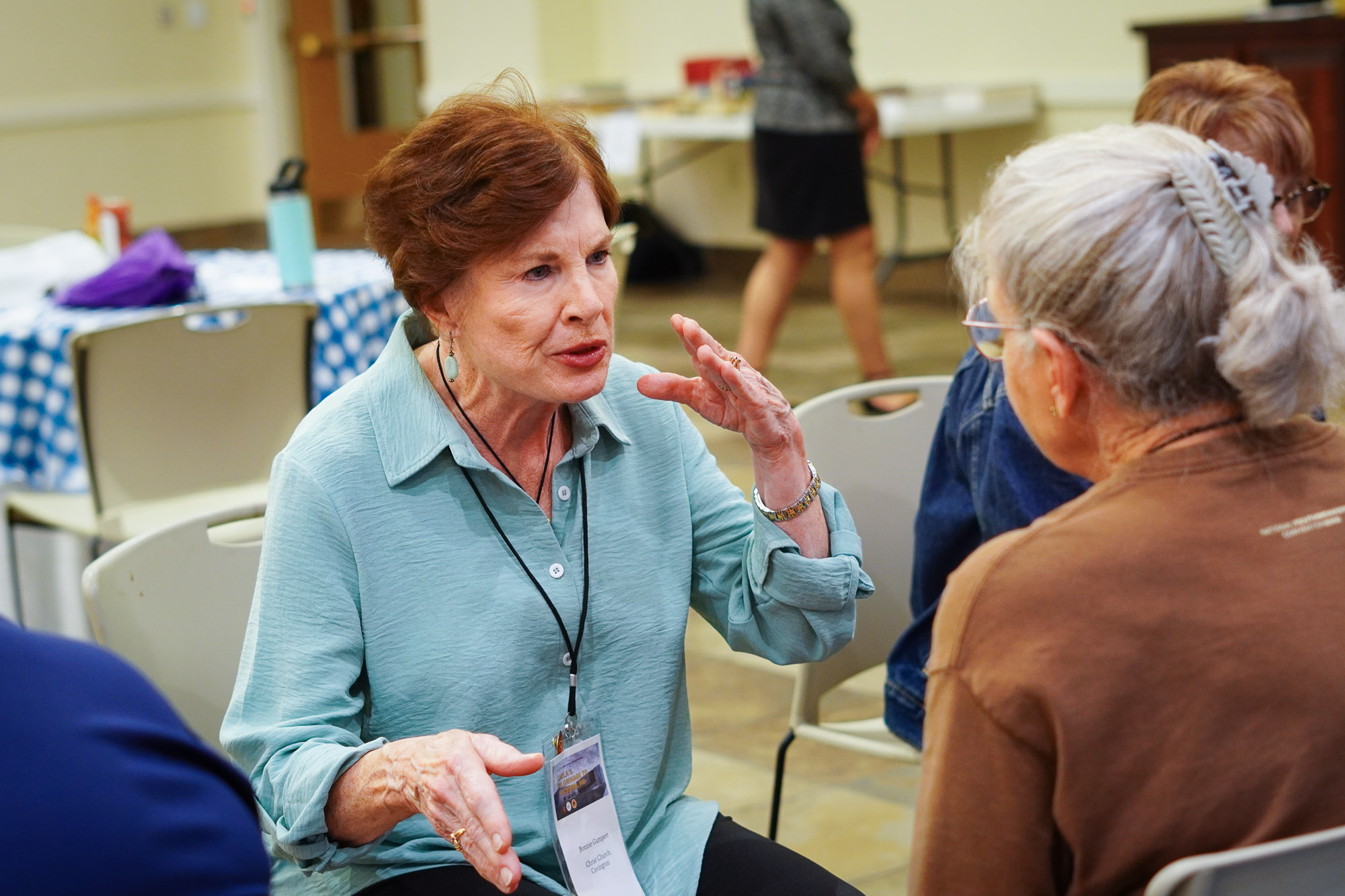
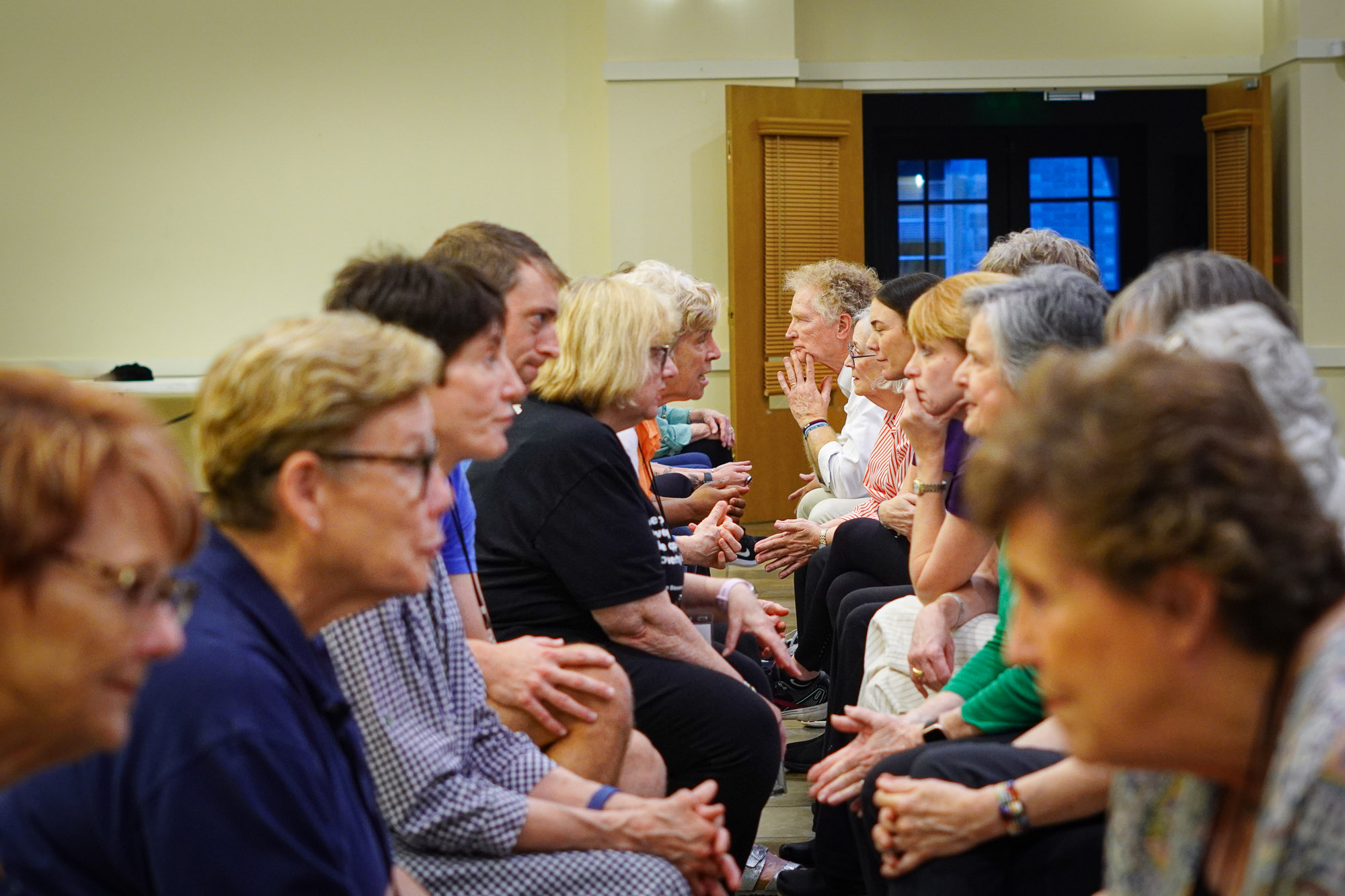
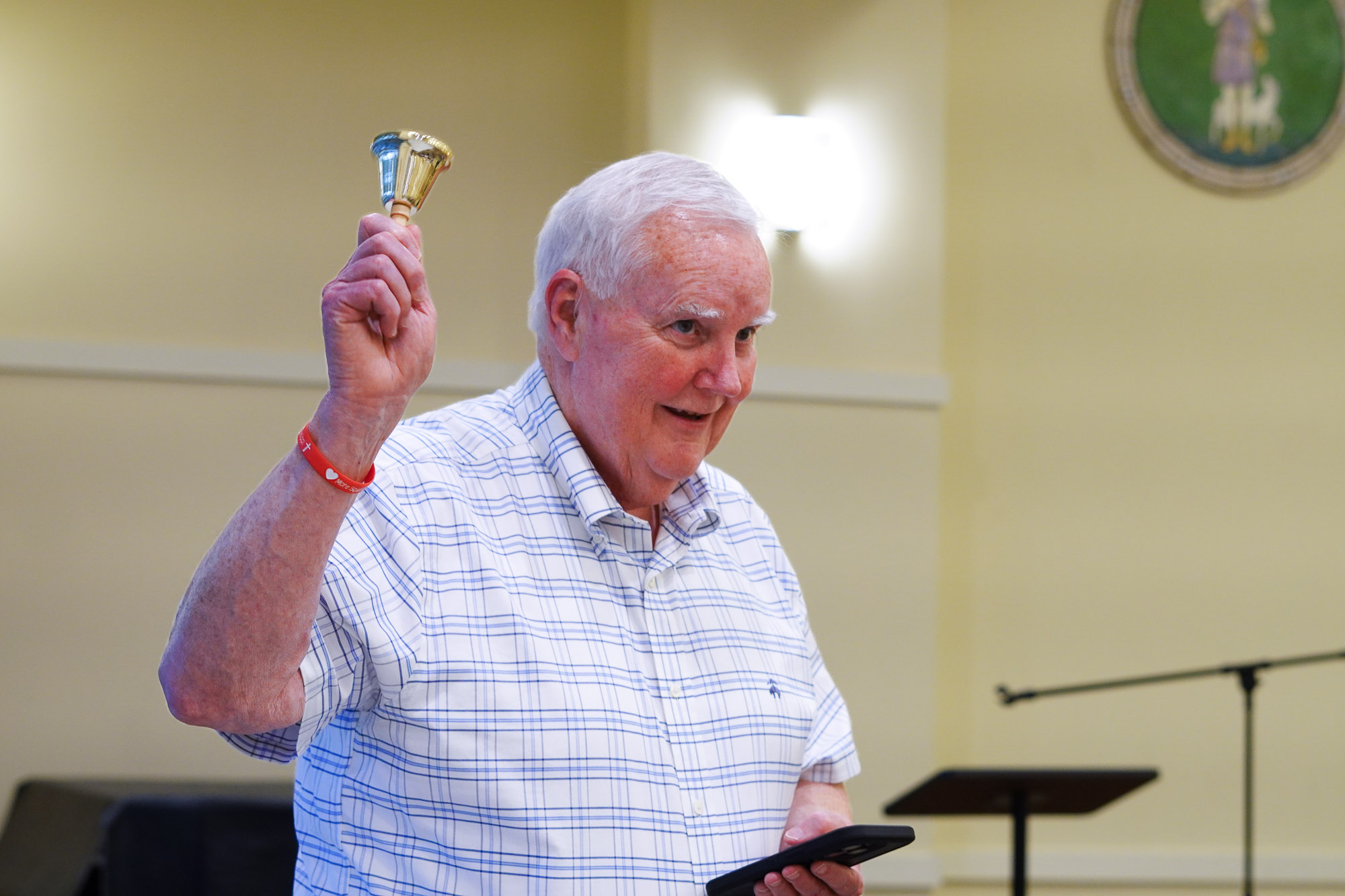
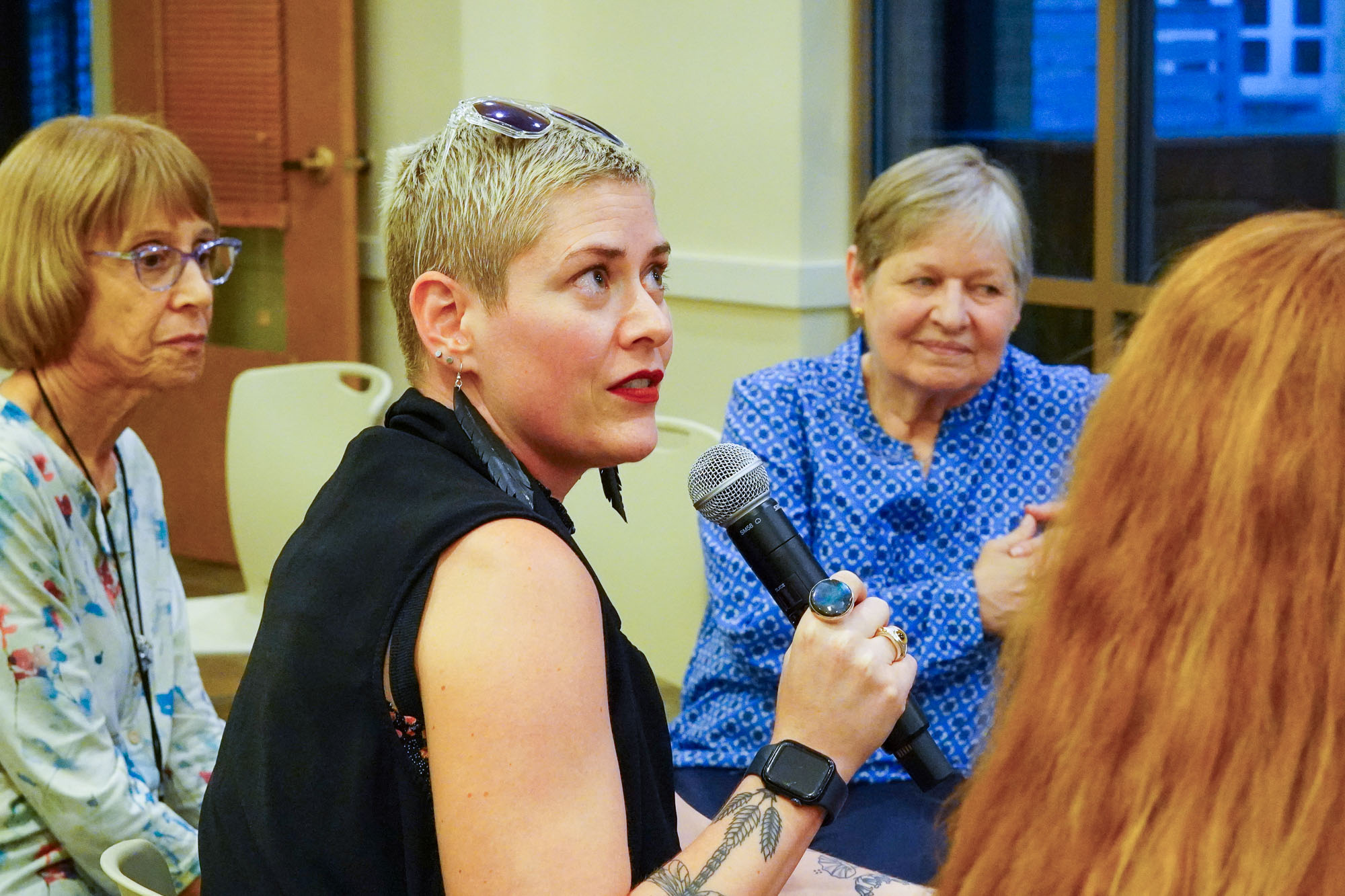
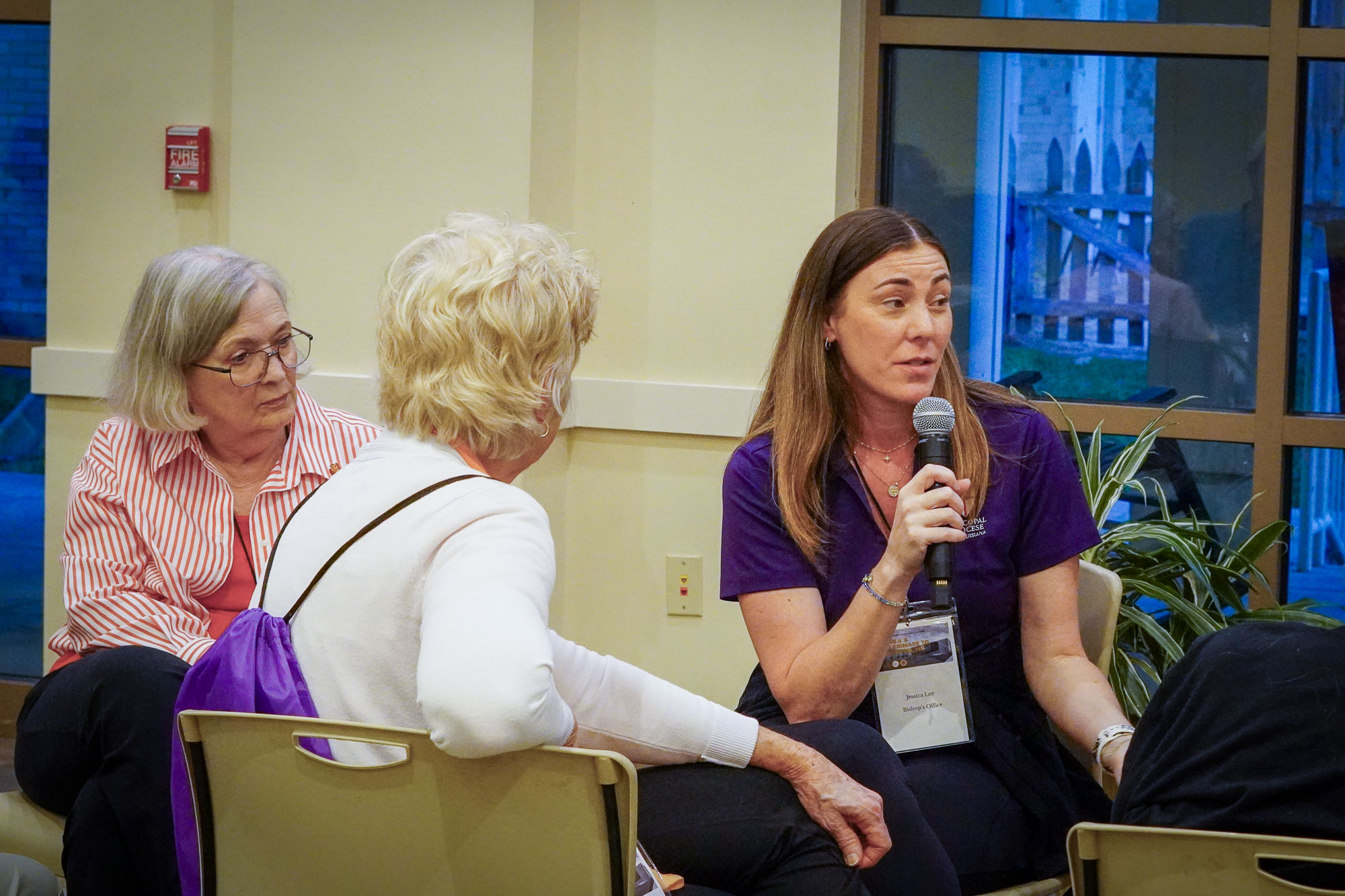
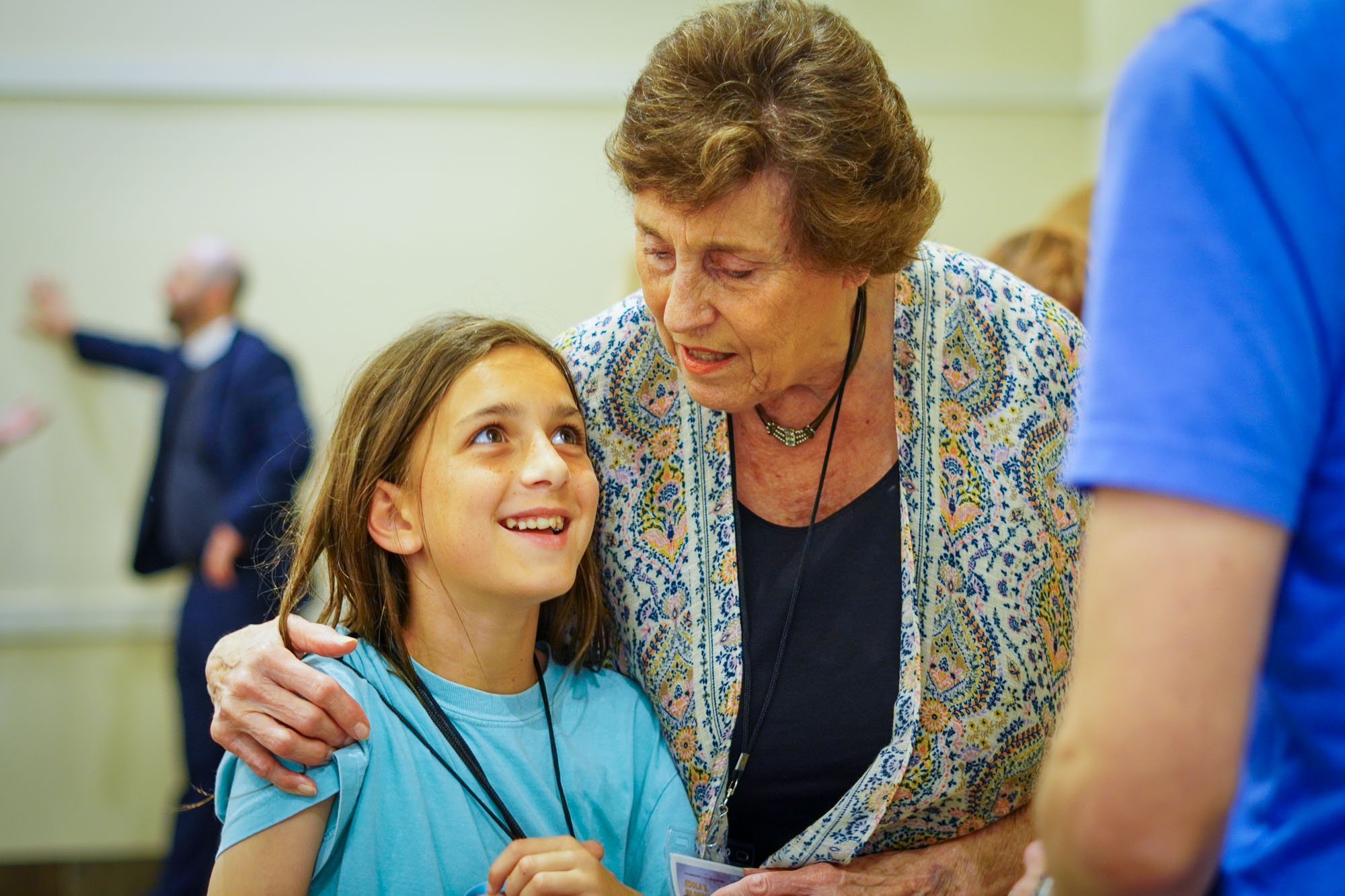
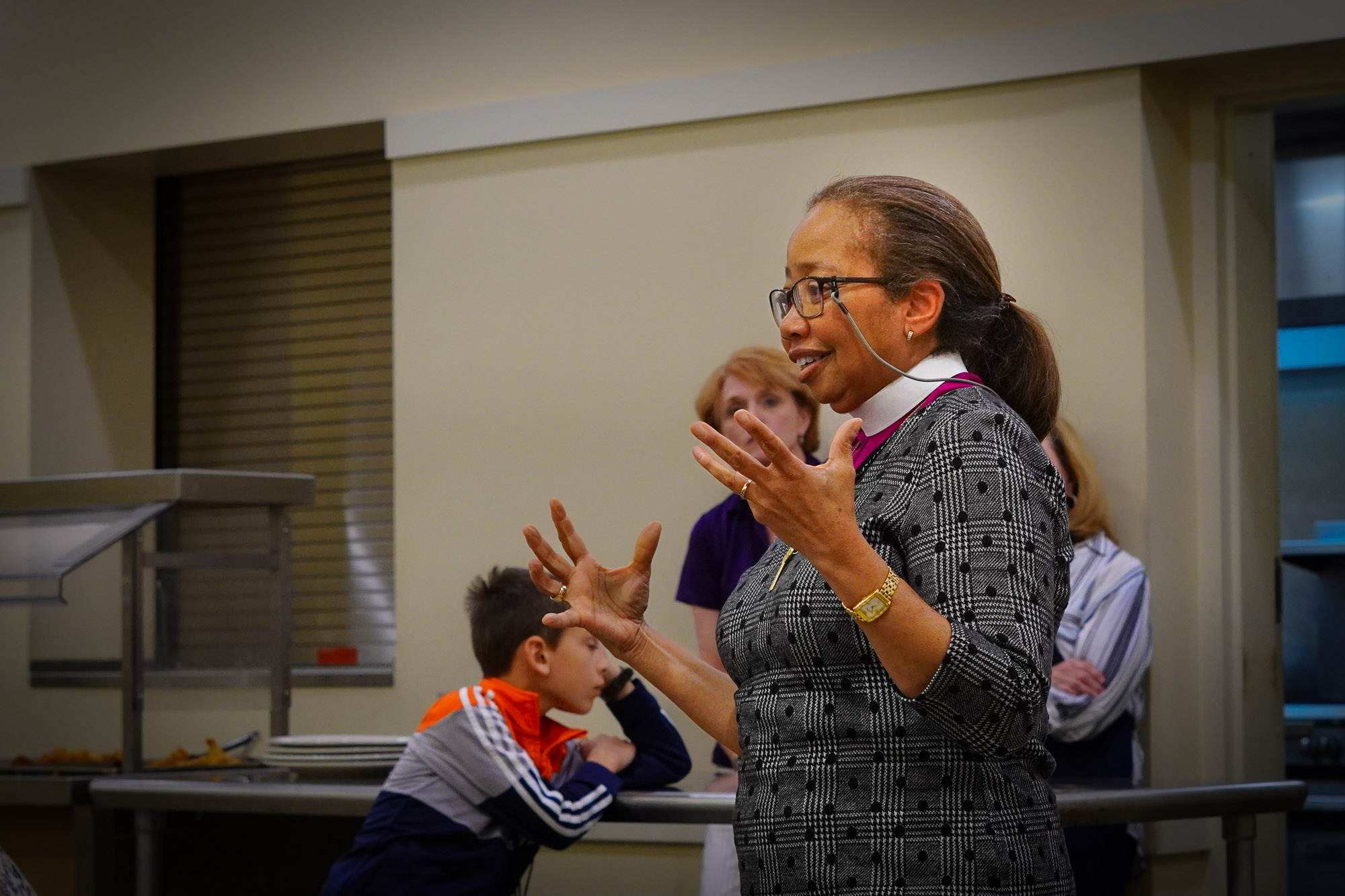
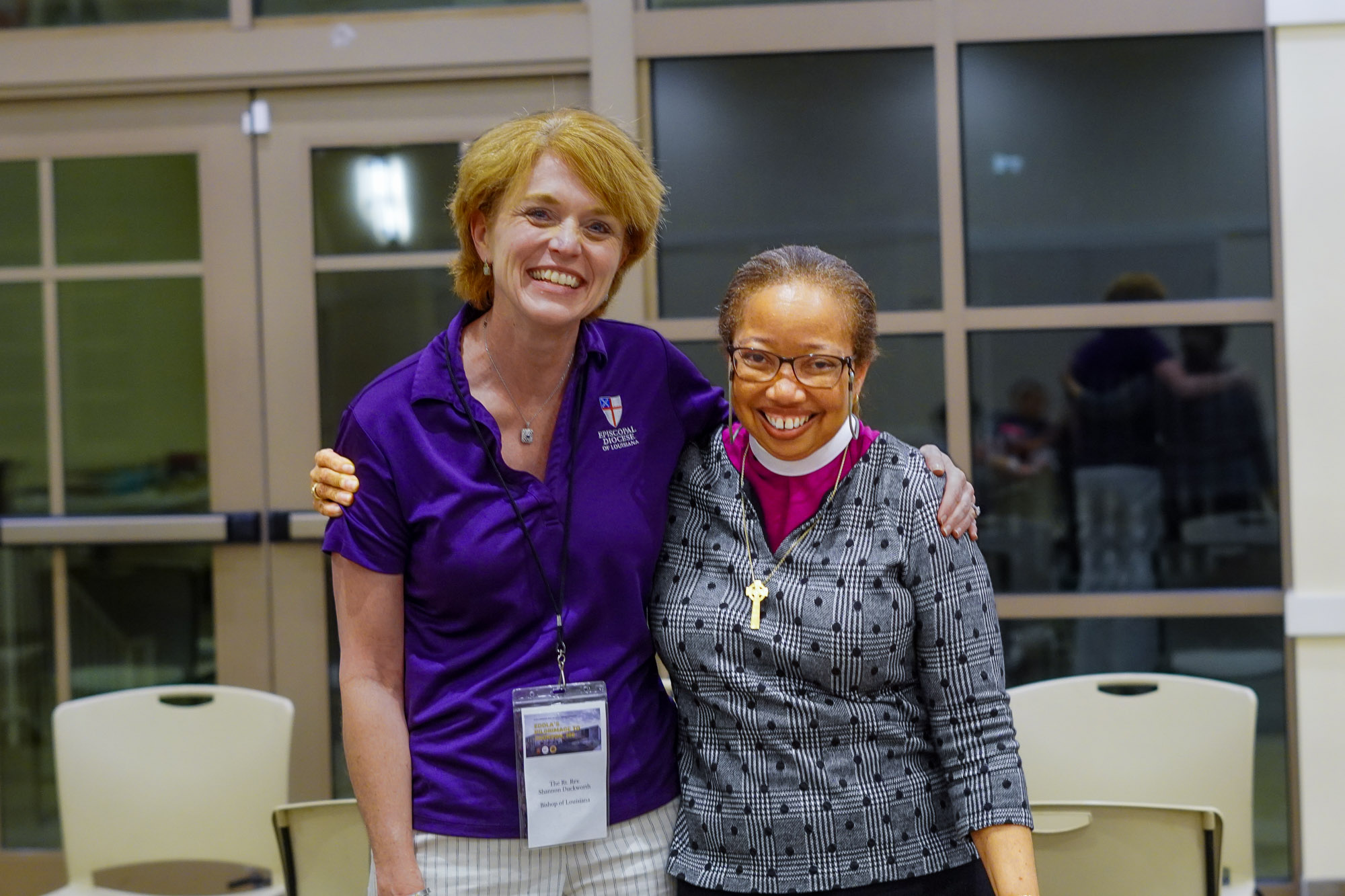
We then traveled to St. James Episcopal Church, Bishop Duckworth’s home church, where we were welcomed by the Rector, the Rev. Geoff Evans. Katy Canion Pacelli and Rex Buffinton of the Mississippi Beloved Community team led us through a dynamic Courageous Conversation exercise: 90 seconds each to answer questions that were eye-opening and challenging. Through answering and listening, we got to know our fellow pilgrims in a deeper way. During our spectacular fish dinner, Mississippi Bishop Dorothy Wells prayed with us and offered historical context to enslavement and the Jim Crow South specific to Mississippi.
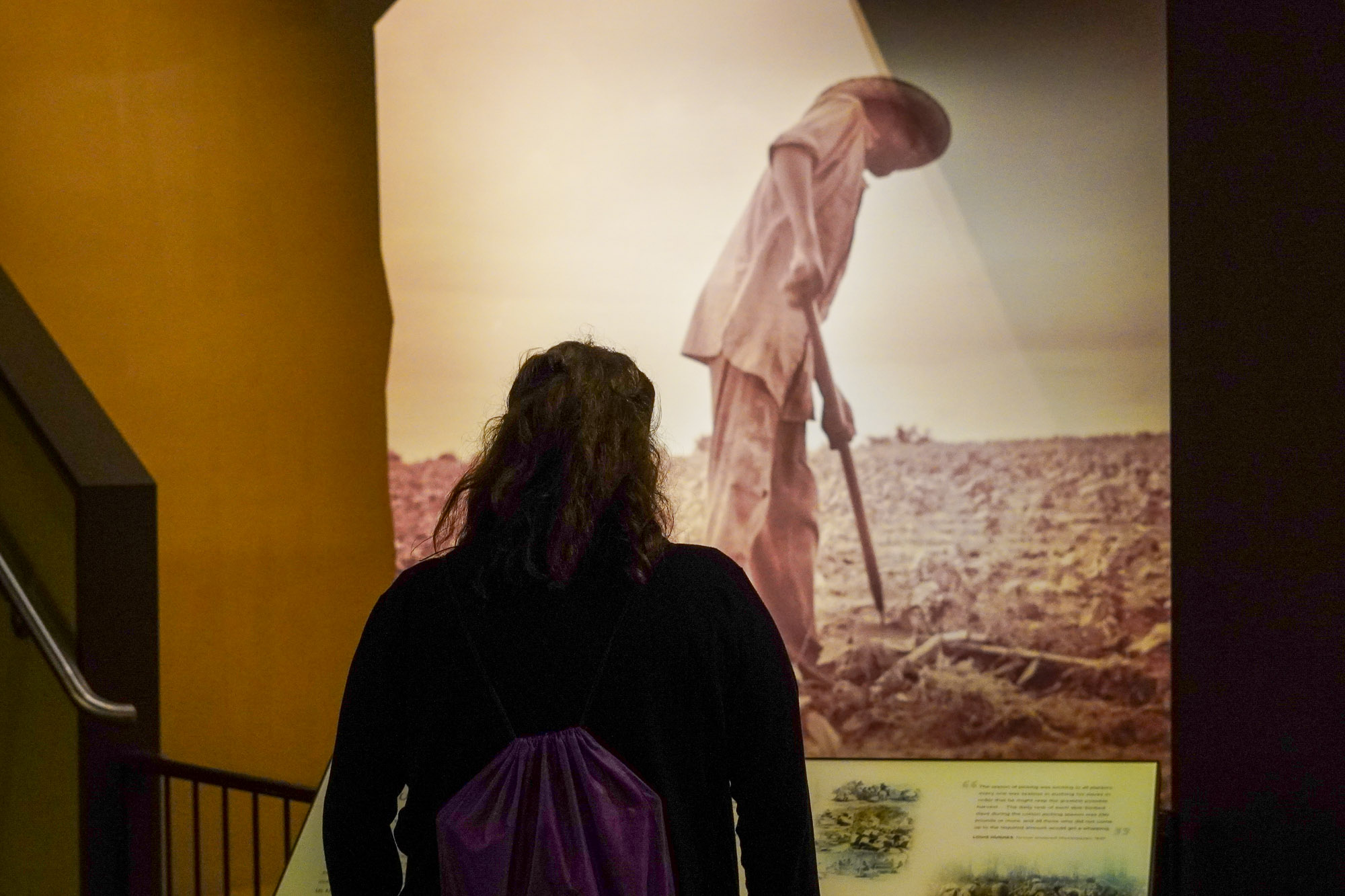
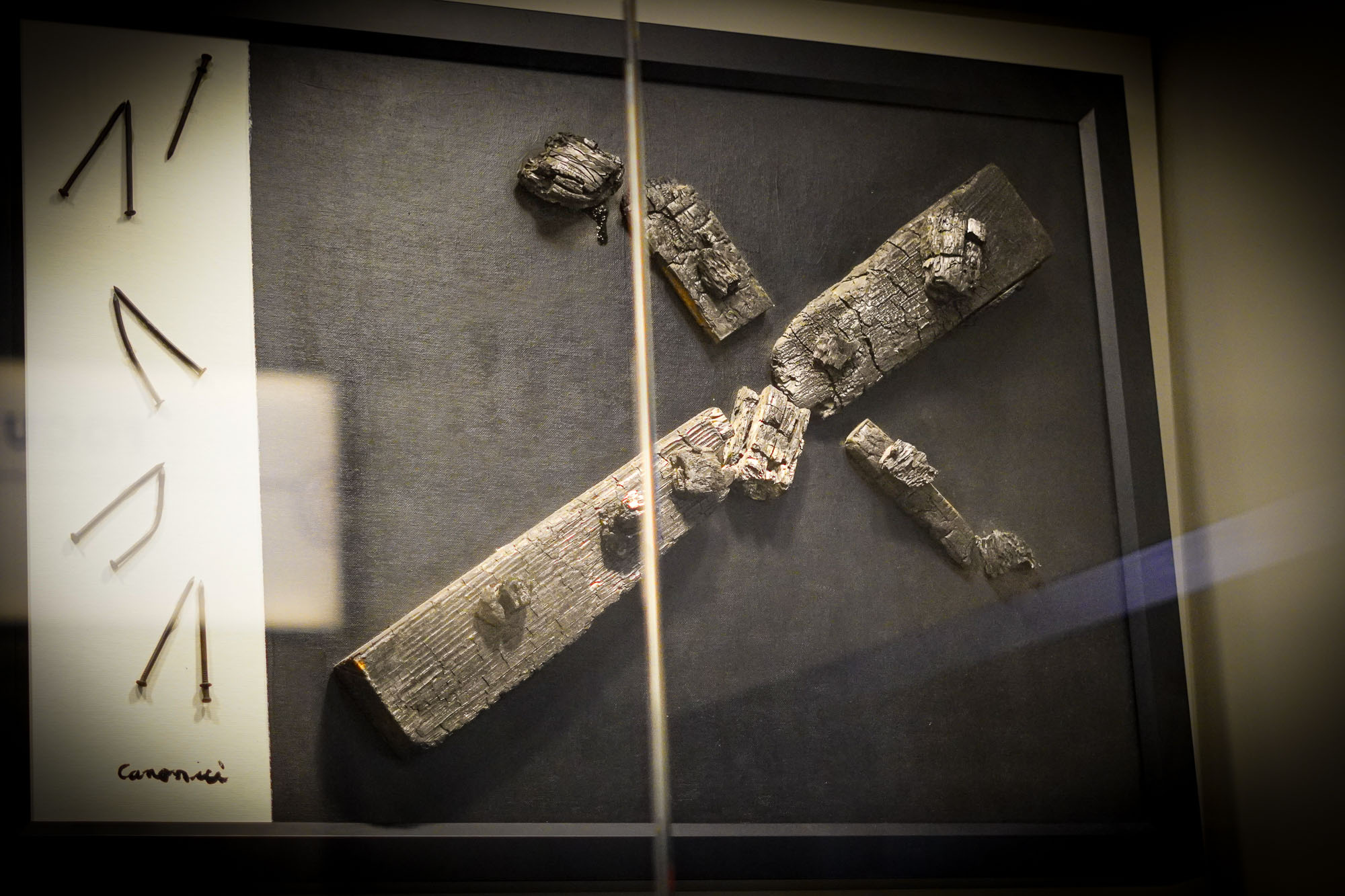
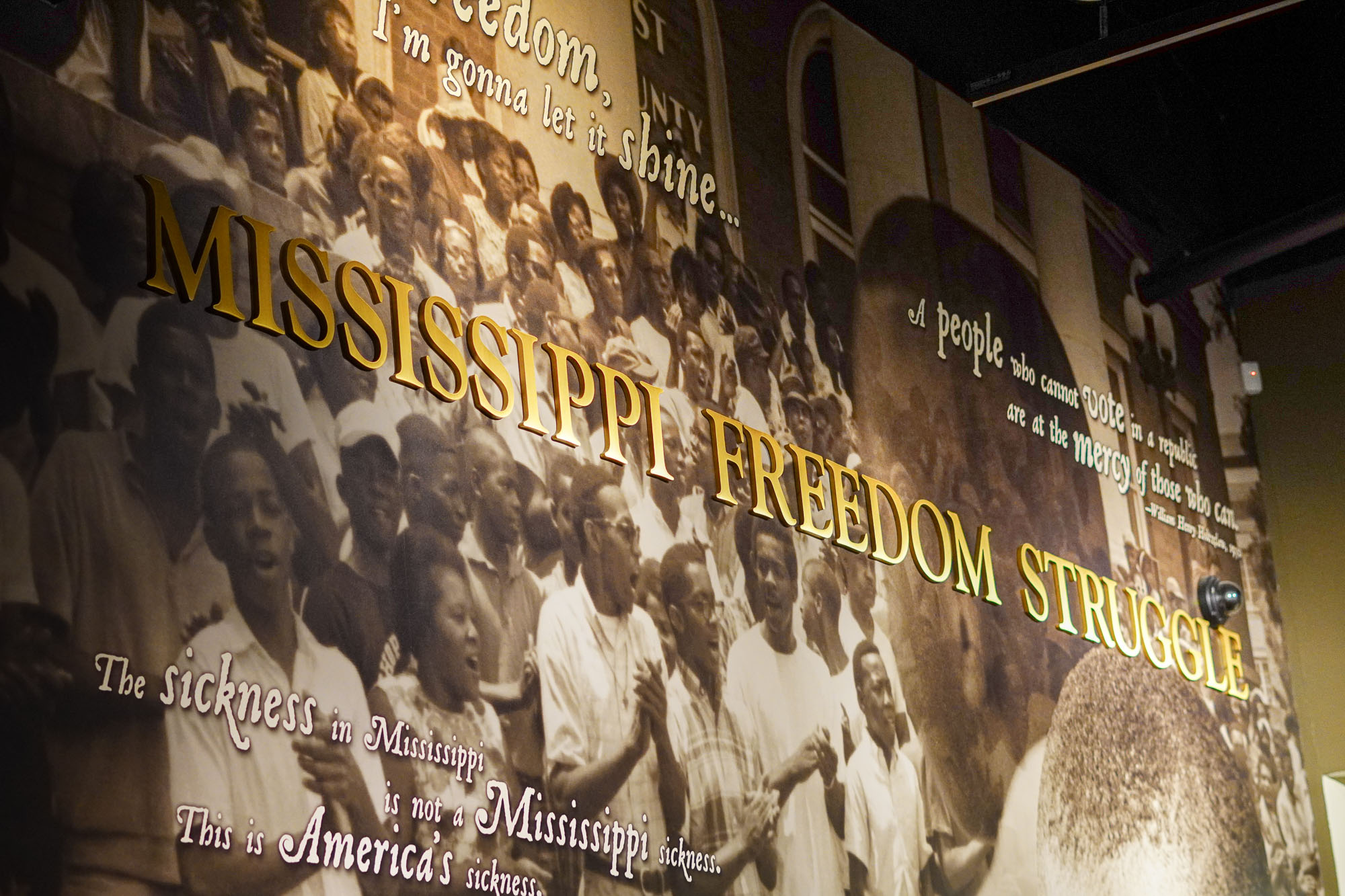
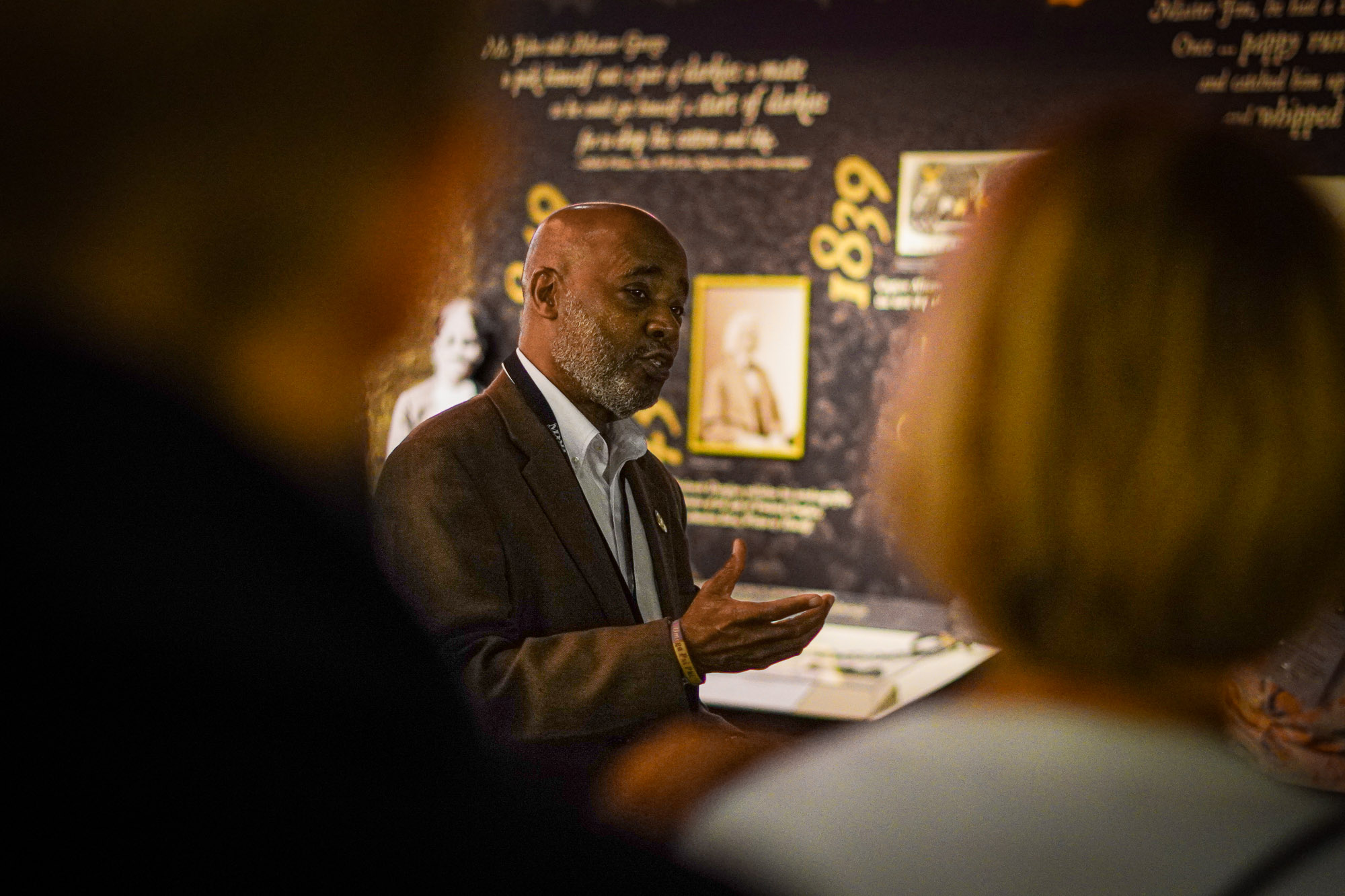
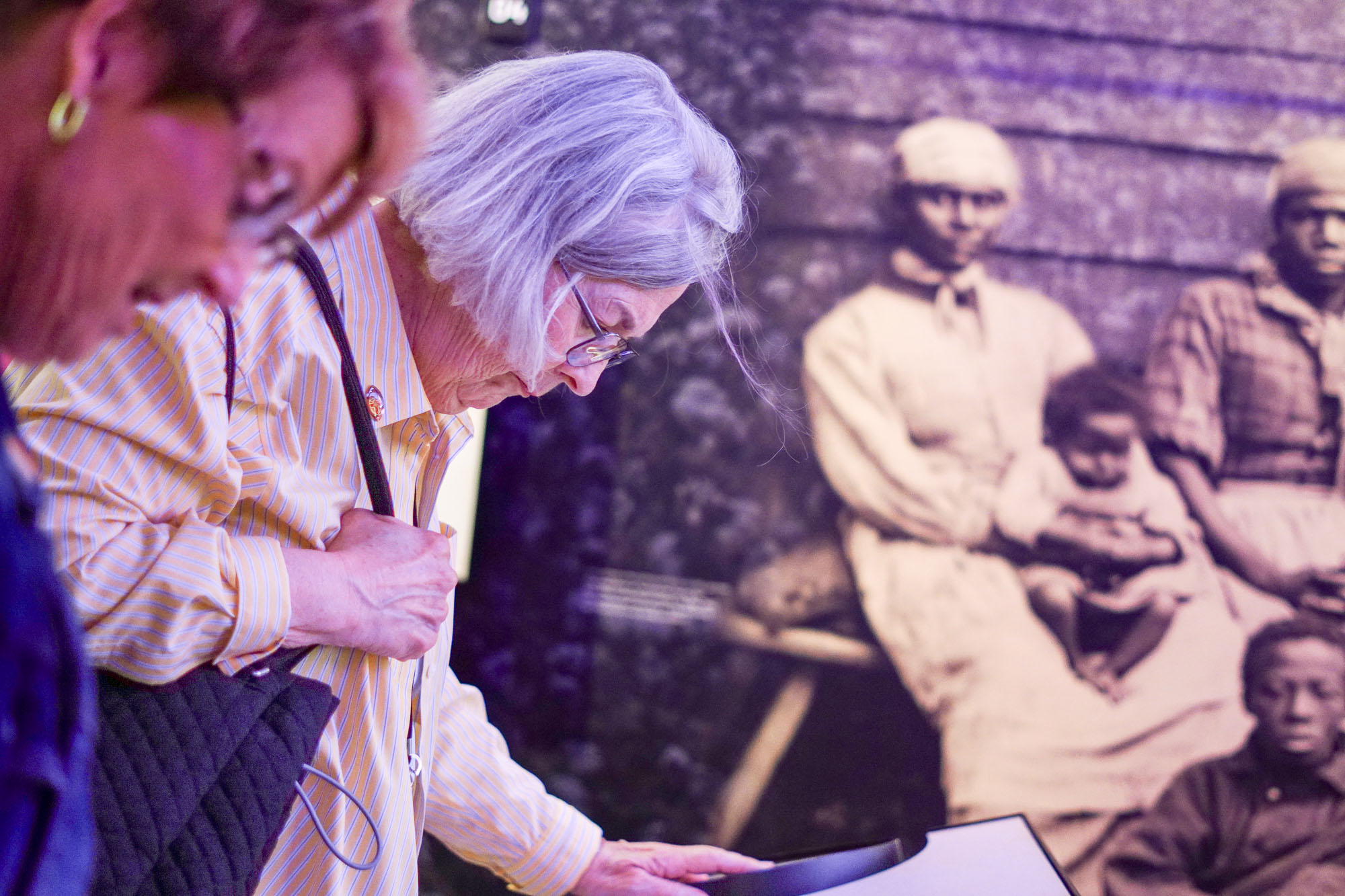
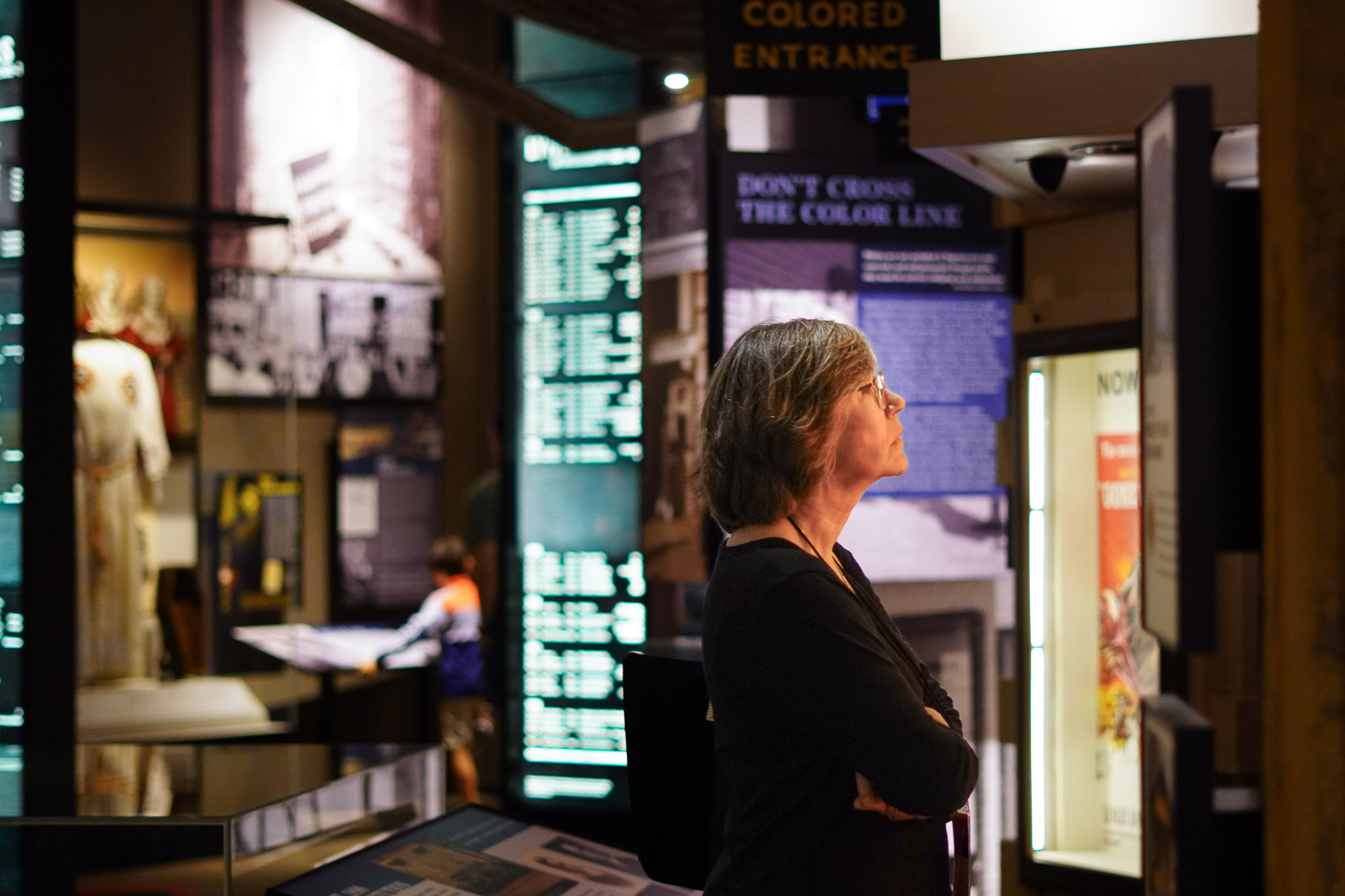
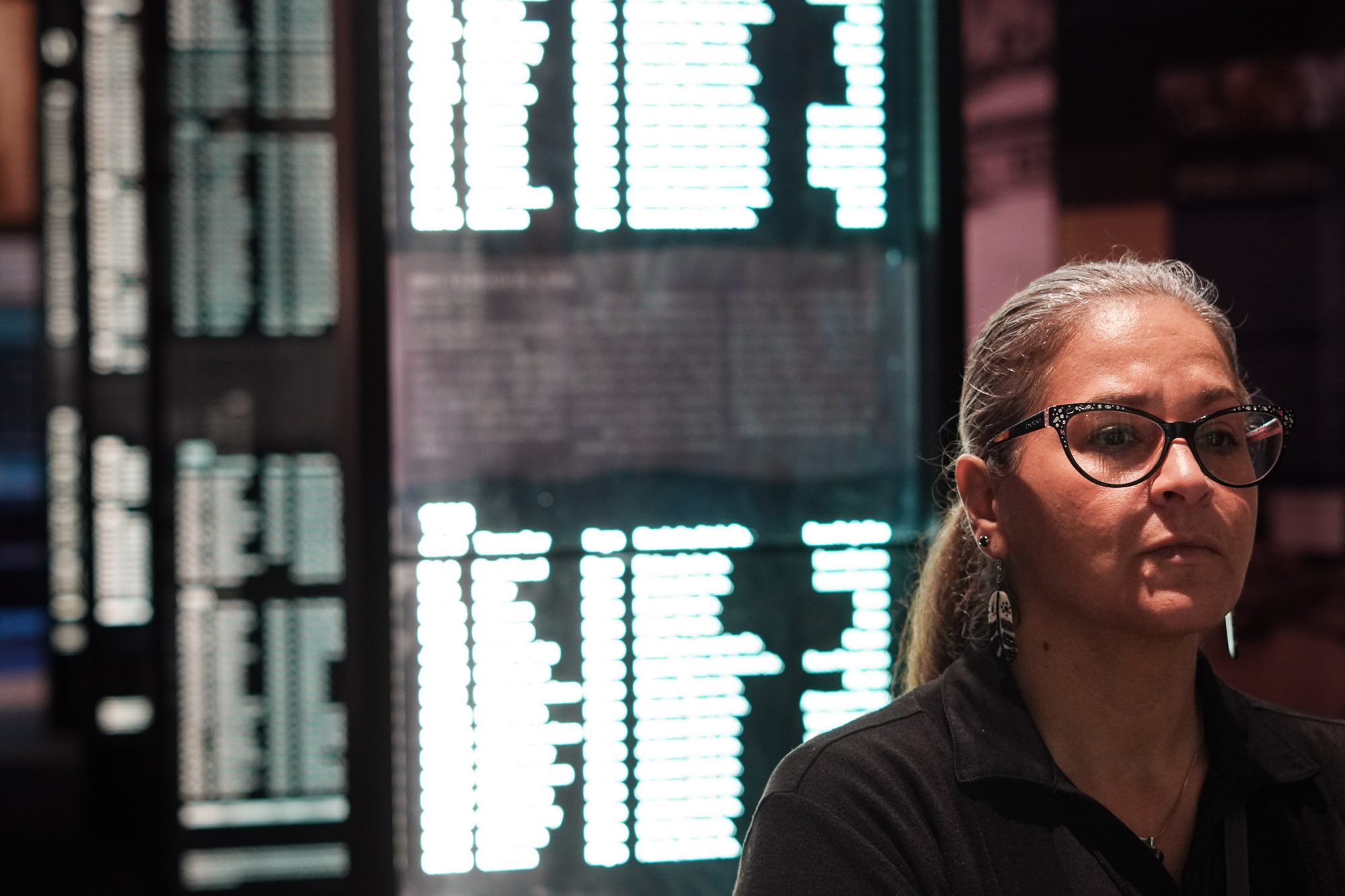
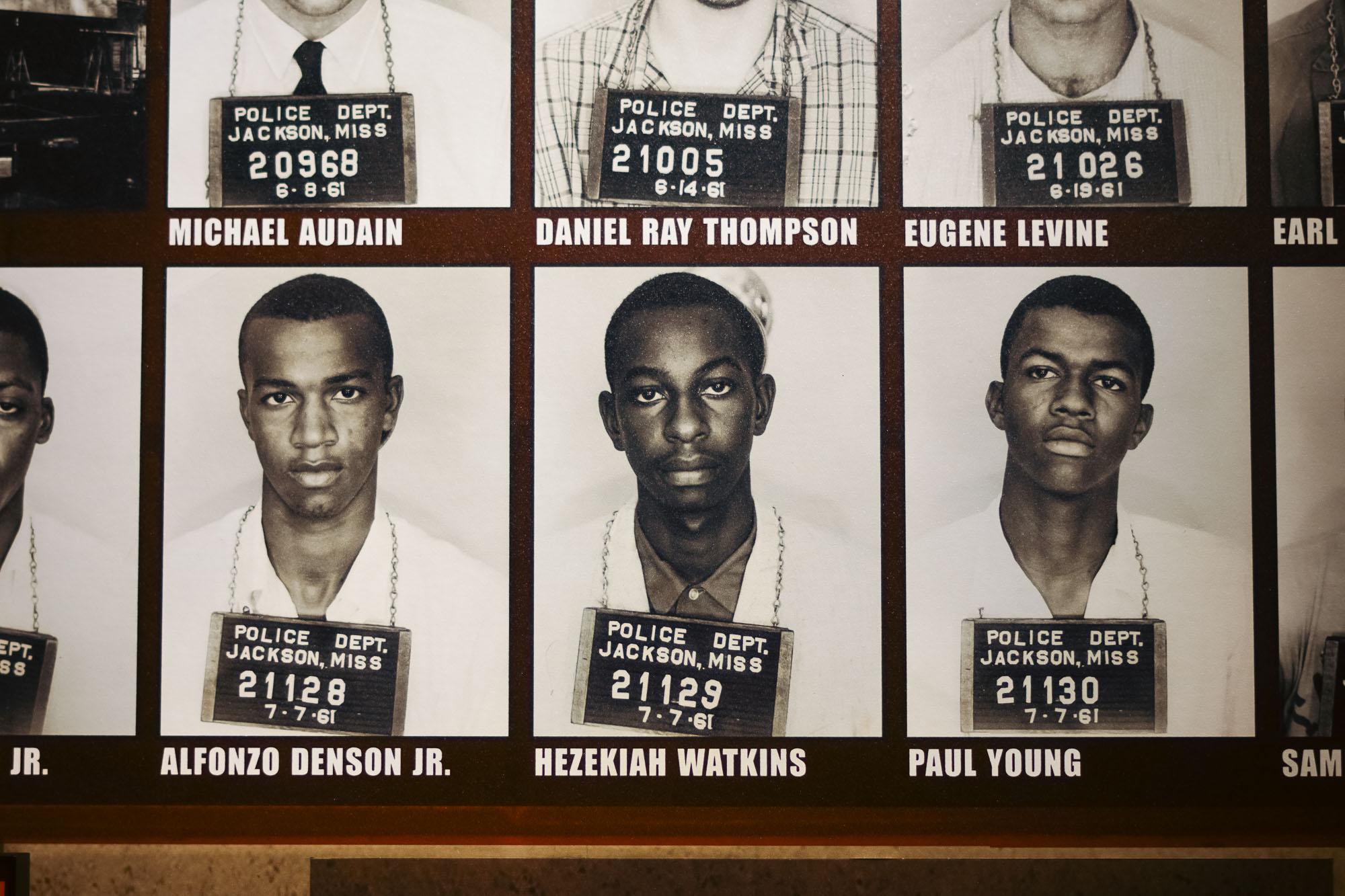
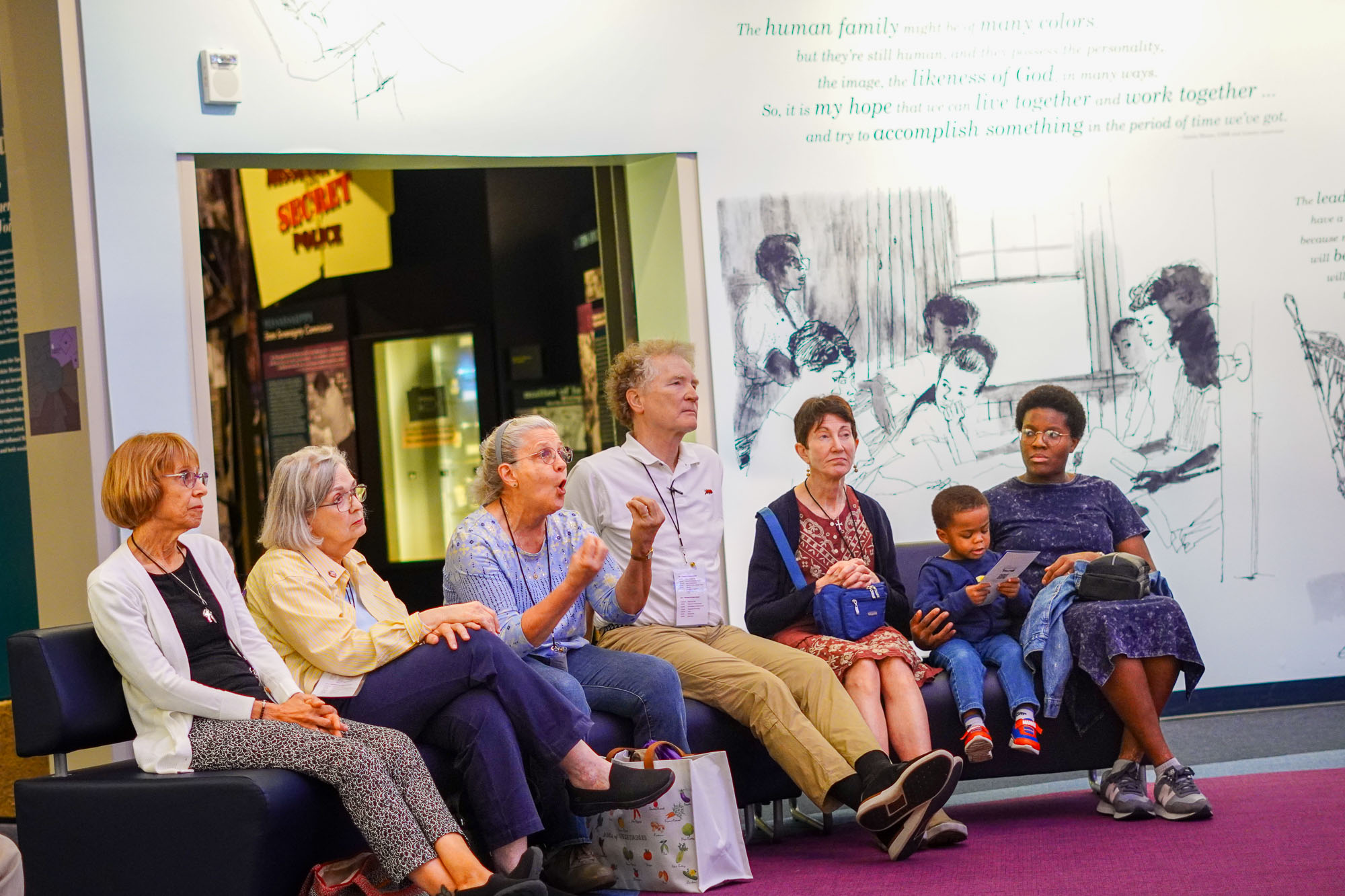
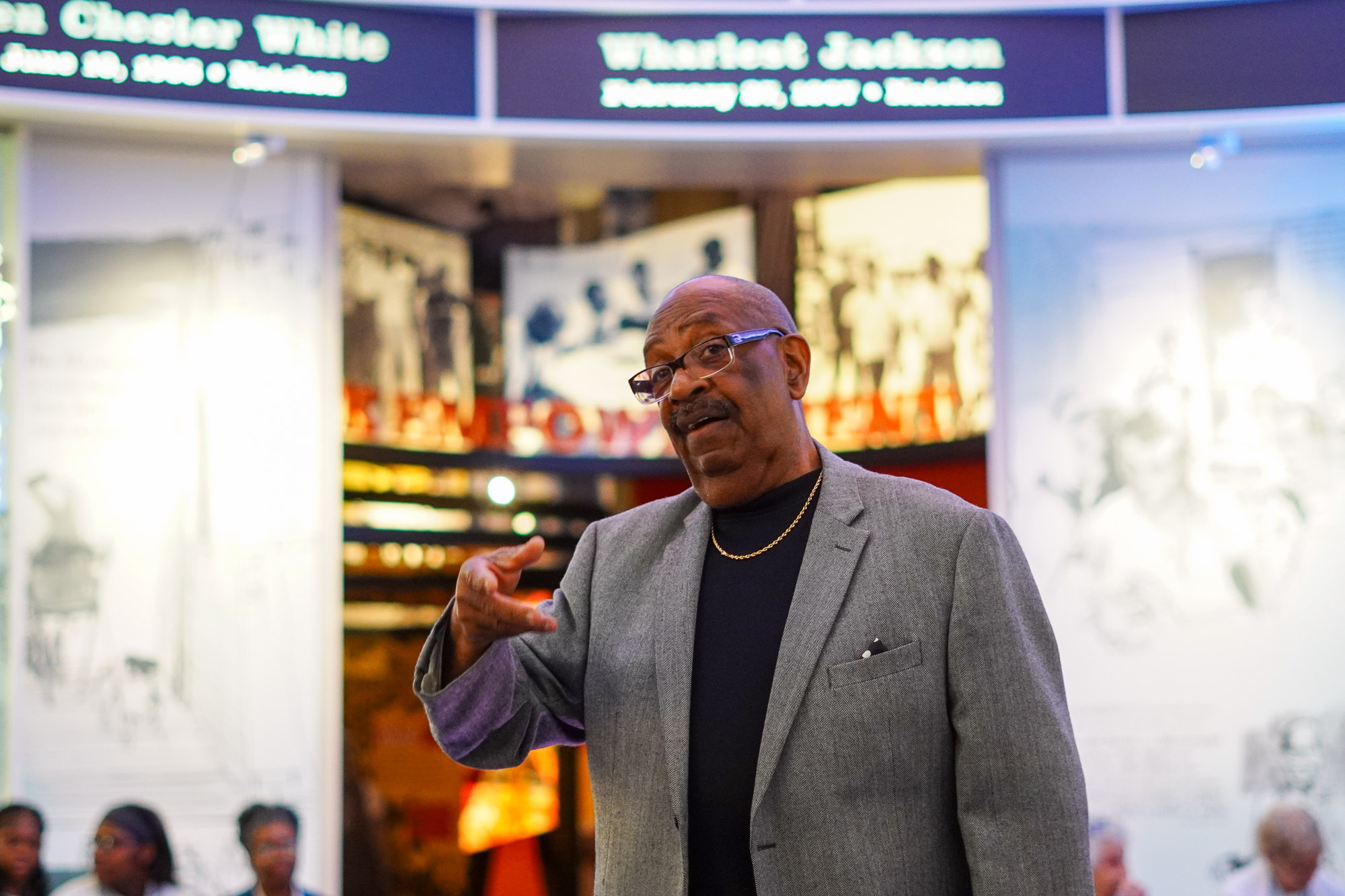
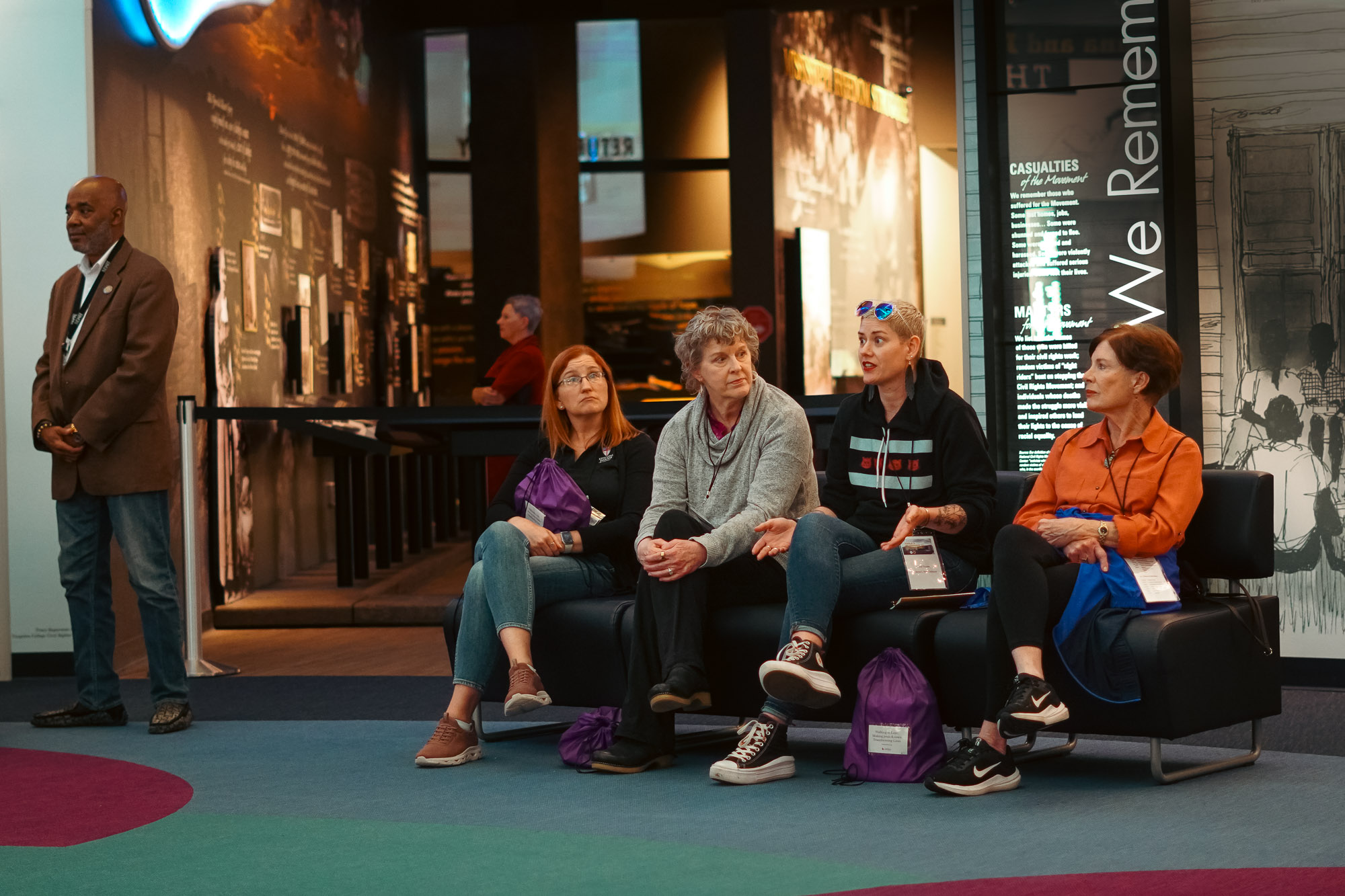
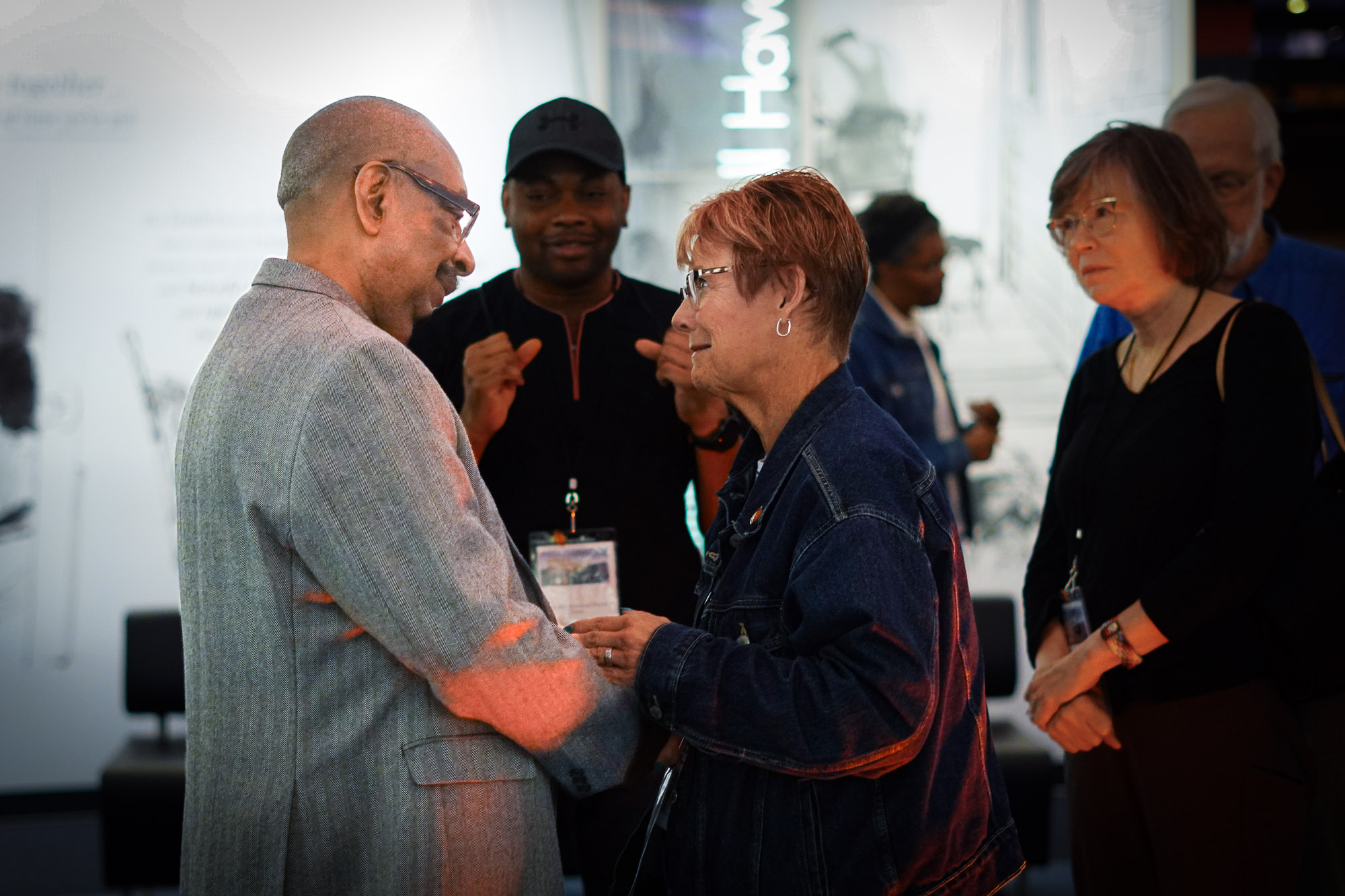
The next morning, we entered the Mississippi Civil Rights Museum, where Museum Educator Jerry Knight prepared us for our time in the museum. We had the remarkable opportunity to hear Hezekiah Watkins, the youngest Freedom Rider, tell his story. First arrested at thirteen for entering the whites-only section of a bus station, he spent thirteen days in Parchman Prison. The following year he formally joined the Freedom Riders and worked actively with them until 1971. To hear his story in his own voice was an honor. We closed our time at the museum with a talk and Q&A led by Jasmine Holmes, Director of Museum Education.
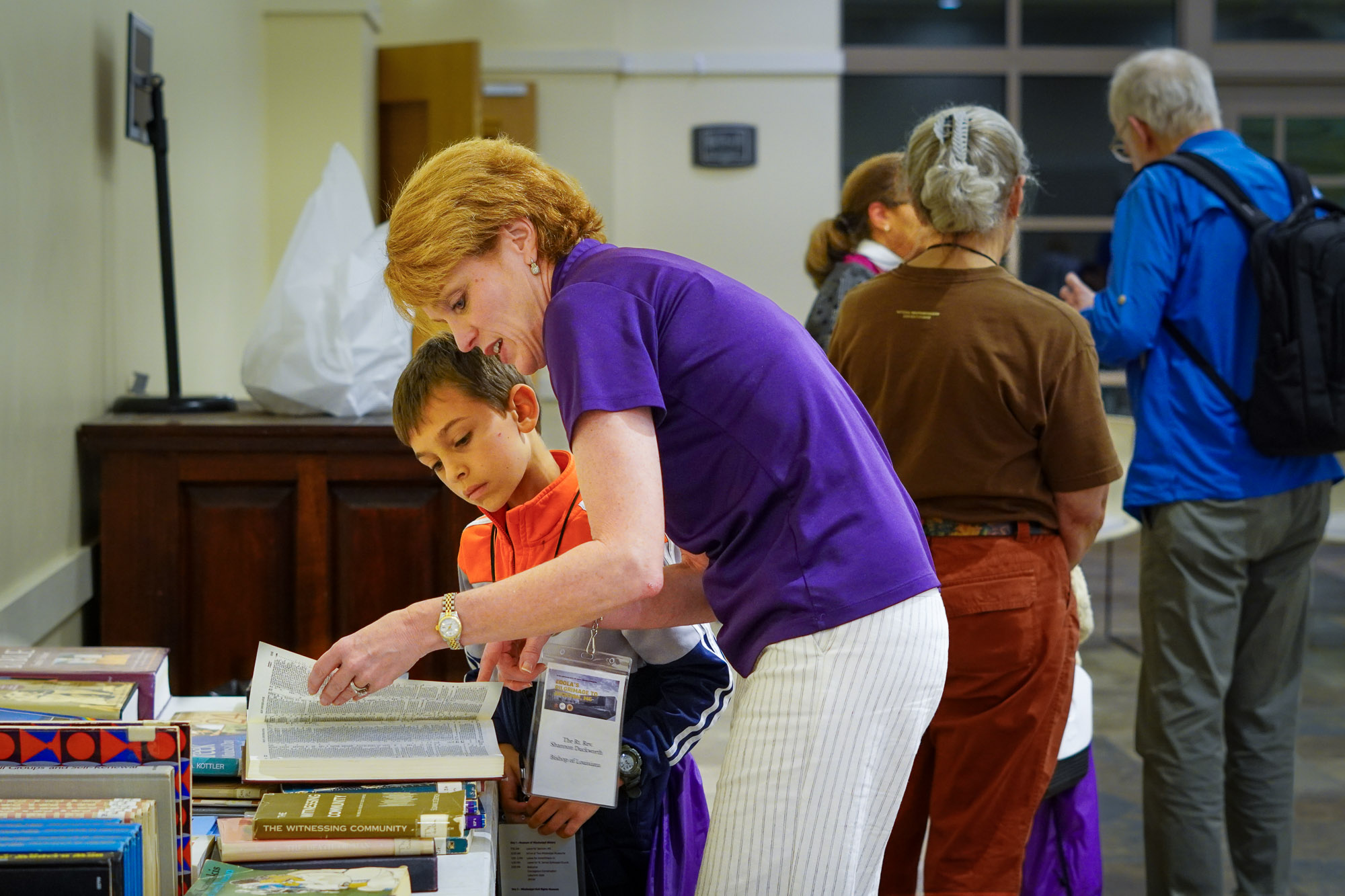
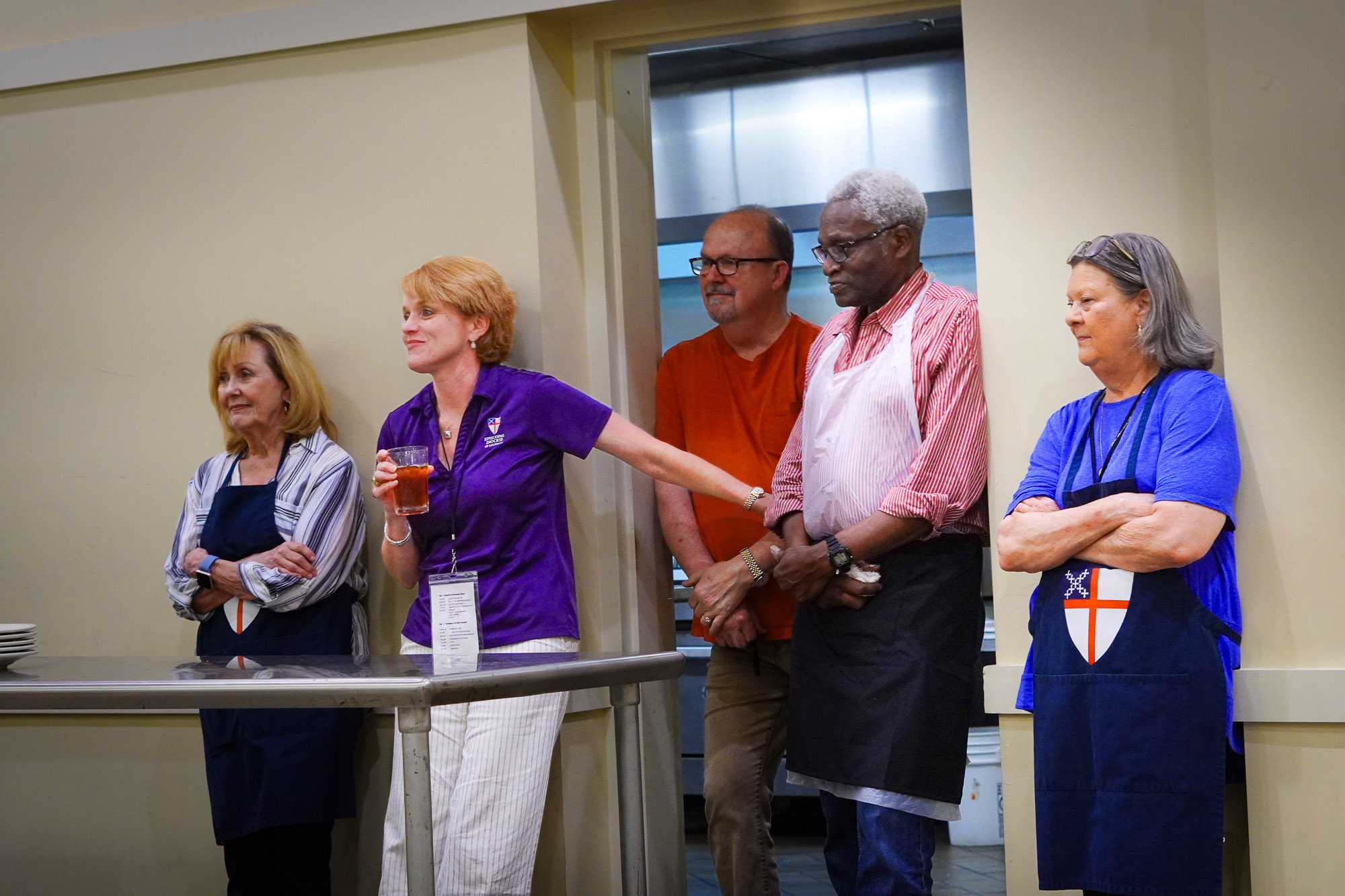
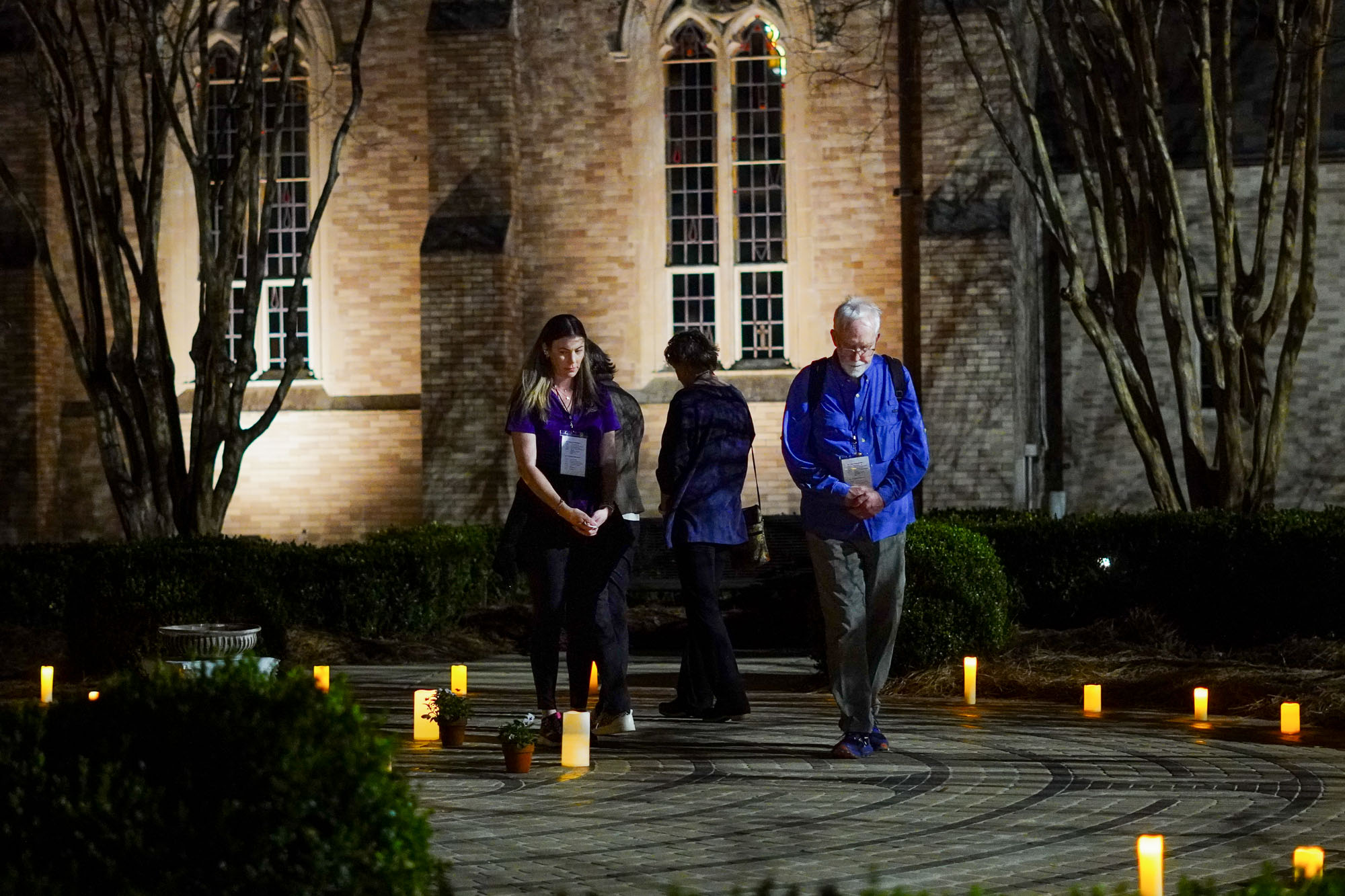
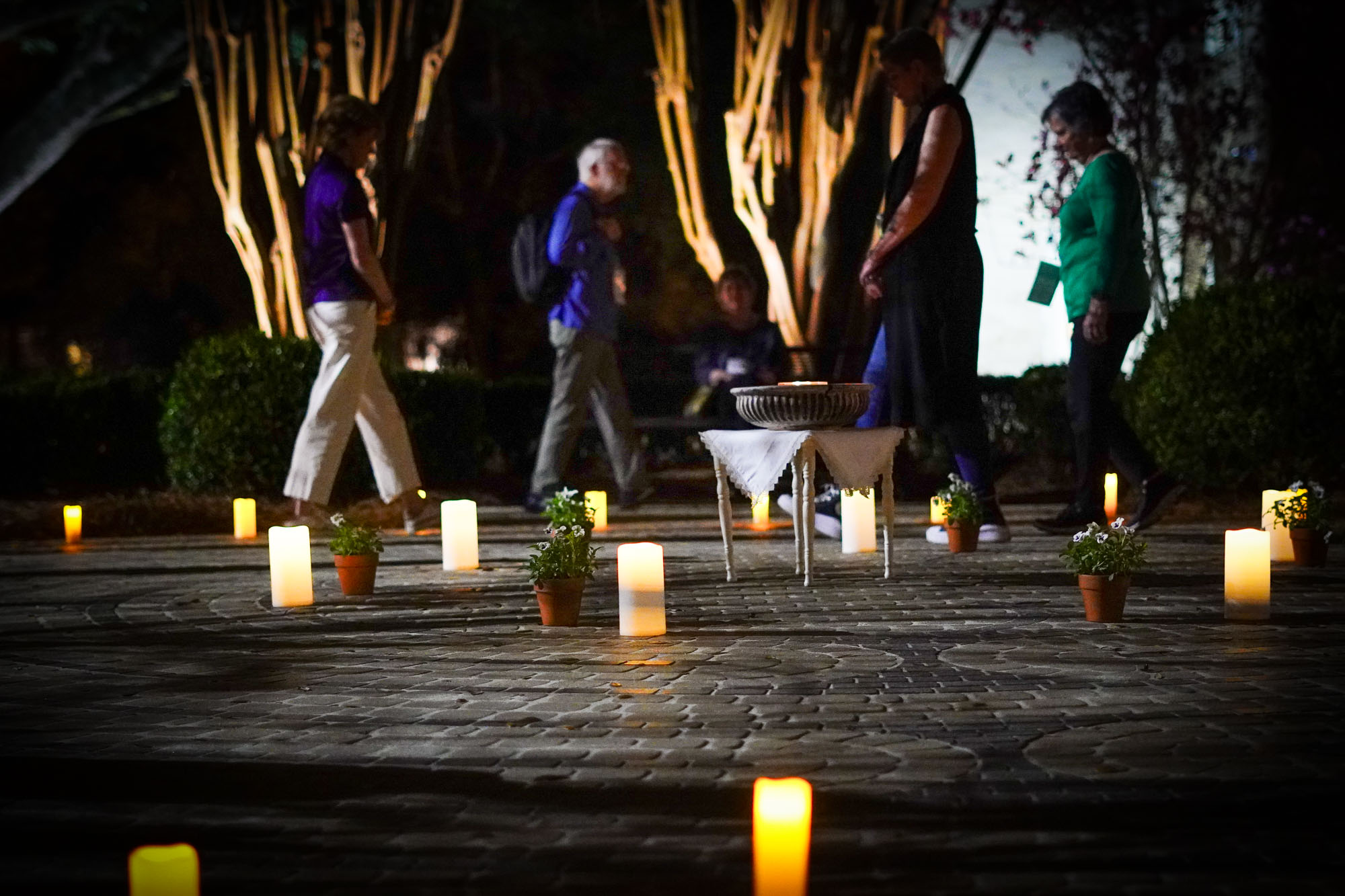
A special thank you to Kathy Stephens, Carolyn Ray, Sherri Cox, Kathy Kirchmayr, and the St. James staff for the tremendous hospitality, the fish dinner, and the Labyrinth experience.
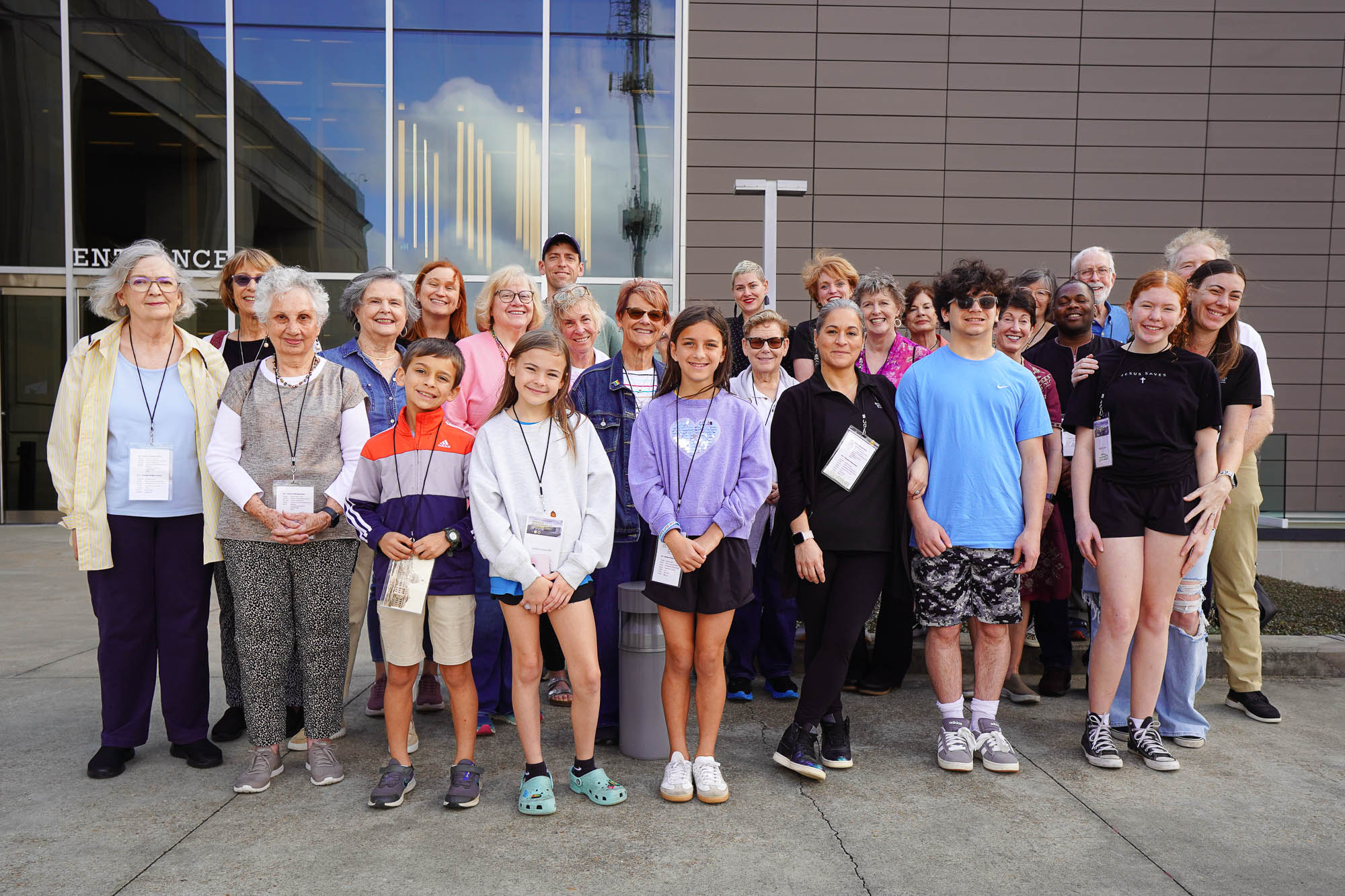
The purpose of a pilgrimage is never just to go somewhere. It is to return different.